What is the Best Way to Excavate Around Underground Utilities?
October 28, 2024

Excavating around underground utilities is one of the most sensitive parts of any construction or landscaping project. At Precision Dig Excavation, we know how crucial it is to avoid hitting utility lines—whether they’re gas, water, sewer, or electrical cables. Striking one of these lines can result in serious injuries, service outages, costly repairs, and project delays. Thankfully, there are methods and precautions that professionals use to make excavation around utilities as safe as possible. Here’s how we approach this important task to ensure safety, precision, and compliance with local regulations.


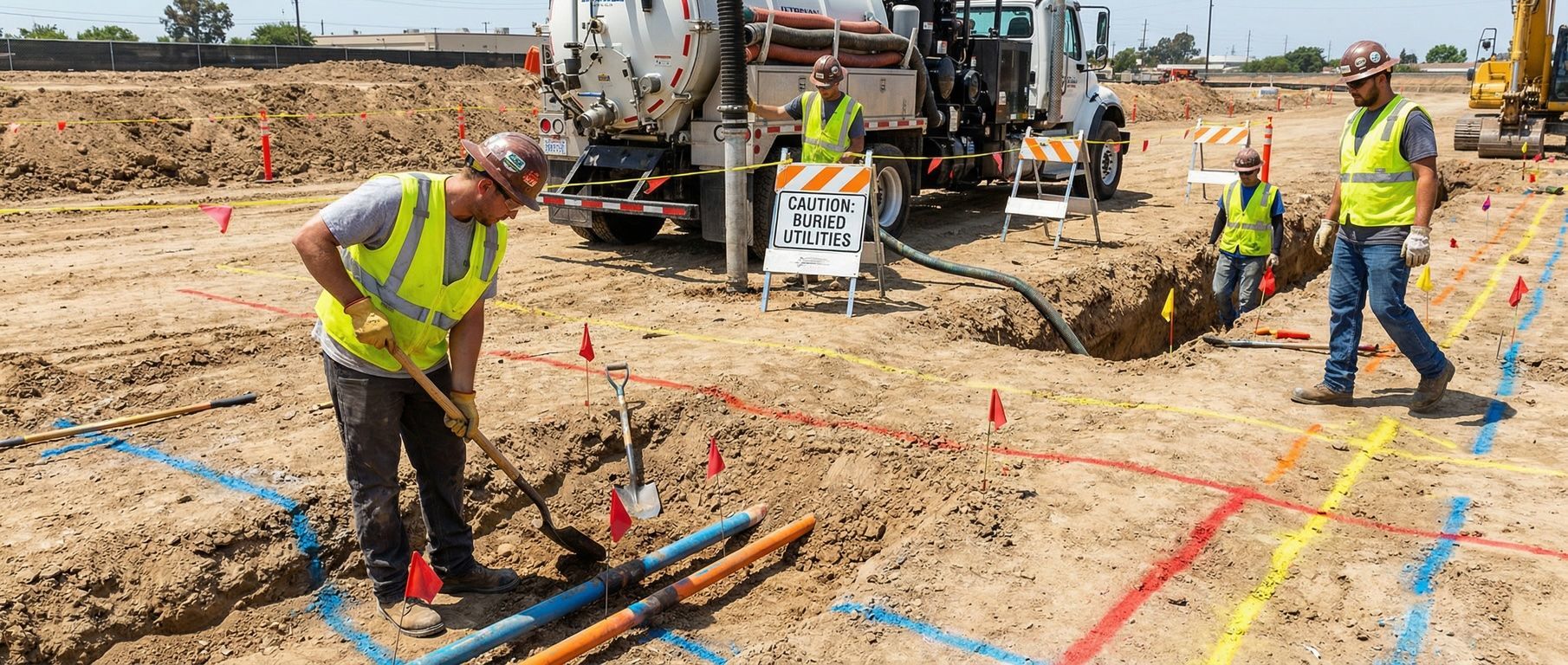
The first step to safe excavation around utilities is to locate and mark all underground lines. Before we even bring any equipment on-site, we contact the local utility locator service. In the United States, this involves calling 811, which alerts utility companies to send out professionals who mark the locations of lines with flags or paint. These markings indicate where pipes or cables are buried, providing essential guidance to avoid damaging them during the excavation. It’s not only a good practice but often a legal requirement to call 811 before starting any digging project.


Once the utility lines have been marked, we conduct a thorough assessment of the site. This helps us understand the layout of the utilities and how they interact with the planned excavation area. We identify high-risk zones, areas that require extra caution, and regions where mechanical digging might need to be limited. Our team maps out a careful excavation plan that prioritizes safety and ensures the project can proceed smoothly without risking accidental strikes to buried utilities.


With the layout established, we focus on using the right tools and techniques. When digging close to utilities, we avoid heavy machinery as much as possible. Mechanical digging has a higher risk of damaging lines, so we often opt for hand-digging tools in these areas. Using shovels and other hand tools might take more time, but it gives us far greater control over the digging process. We carefully remove soil around the utility lines, allowing us to get closer without putting pressure on the pipes or cables.


In situations where hand-digging may not be feasible, we use non-destructive digging methods like hydro excavation. This method uses high-pressure water to break up soil around the utilities, which is then vacuumed up to expose the lines safely. Hydro excavation minimizes the risk of damage and is particularly useful in areas where utilities are dense or located in hard-to-reach spots. By choosing hydro excavation, we can dig around utilities with precision and avoid the dangers associated with mechanical excavation.


During the excavation process, constant monitoring and communication are key. Our team is trained to stay vigilant, watching for unexpected pipes or lines that might not have been marked. Utility lines can shift over time, and not all of them are documented on public records. Our crew members keep a close eye on the ground and make adjustments as needed to avoid potential hazards. Communication among team members is also essential; we use signals, radios, and clear instructions to keep everyone informed of any discoveries or changes in the plan.


Safety precautions are critical, especially when working near gas or electric lines. We ensure that all team members wear appropriate personal protective equipment, including hard hats, gloves, and safety boots. Additionally, we conduct safety briefings before starting any excavation around utilities, going over emergency procedures, evacuation routes, and first-aid protocols in case an accident does occur. Our goal is to create an environment where every team member is aware of the risks and prepared to handle any unexpected issues.


When the excavation is complete, we take steps to restore the area around the utility lines. Proper backfilling is essential, as it helps protect the utilities from future damage and supports the stability of the surrounding soil. We ensure that the soil is compacted carefully and that any protective barriers, such as sand padding around pipes, are replaced as needed. This final touch not only safeguards the utilities but also prevents any future settling or erosion in the excavated area.


Excavating around underground utilities is a careful and deliberate process that requires knowledge, experience, and attention to detail. At Precision Dig Excavation, we’re committed to performing this work with the highest standards of safety and precision. Our approach ensures that utilities remain intact and functional while allowing our clients’ projects to proceed without unnecessary interruptions. If you’re planning a project that involves digging near utilities, working with a professional excavation company like ours is the best way to ensure that the job is done right from start to finish.

You might also like
April 2, 2026
Spring is go-time for excavation contractors, and the last thing you need is a machine going down on Day One because it sat idle through the winter. At Precision Dig Excavation , a thorough pre-season maintenance routine is one of the first things we complete every year — because it protects our investment, keeps our crew safe, and prevents costly mid-project breakdowns. Hydraulic Systems Start with your hydraulic lines, fittings, and cylinders. Cold weather causes seals to contract and crack, and hoses can become brittle over months of inactivity. Look for any signs of leaking fluid, soft spots on hoses, or corrosion around fittings. Replace any suspect components before they fail under load. Check hydraulic fluid levels and quality. If fluid looks cloudy, dark, or has visible particles, it's time for a change. Contaminated hydraulic fluid is one of the top causes of pump failure in excavators. Undercarriage Inspection The undercarriage accounts for a significant percentage of your total machine maintenance costs. Inspect track tension, look for worn or missing bolts, and check for cracks in the track pads. Measure pin and bushing wear — if you're close to service limits, it's better to address it now than to lose a track mid-dig. For wheeled equipment, check tire pressure, tread depth, and sidewall condition. Winter storage on cold concrete can cause flat spots that may or may not work themselves out. Fluids and Filters Engine oil and filter — Change both, even if you did it before storage. Condensation can contaminate oil sitting in a cold engine. Coolant — Test antifreeze concentration and top off. Flush if it's been more than two years. Fuel — If equipment sat with fuel in the tank, check for water contamination and consider adding a fuel stabilizer or draining and refilling. DEF (Diesel Exhaust Fluid) — DEF can degrade over time, especially in temperature swings. Top off with fresh fluid. Electrical Systems Batteries are the most common winter casualty. Load-test every battery, clean terminals, and check cable connections. Inspect wiring harnesses for rodent damage — mice love to nest in idle equipment. Test all lights, strobes, backup alarms, and camera systems. These are safety-critical and often overlooked. Attachments and Buckets Inspect bucket teeth and cutting edges for wear. Dull or missing teeth slow production and increase fuel consumption. Check quick-coupler pins and locks to ensure attachments seat properly and securely. Greasing and Lubrication Hit every grease point on every machine. Joints that sat dry through the winter are joints that wear fast. Refer to your operator's manual for the full list of service points — most excavators have 15 to 20 or more. Create a Checklist and Assign Ownership  Don't leave pre-season maintenance to chance. Build a written checklist for each machine and assign a crew member to complete and sign off on it. Document everything — it protects you for warranty claims and demonstrates due diligence if there's ever an incident. The bottom line: A day or two of thorough maintenance now can save you weeks of downtime during your busiest and most profitable months. Treat spring prep like an investment, not a chore.
March 25, 2026
Every successful construction project begins beneath the surface. Before the first beam is raised or foundation poured, the ground itself must be carefully prepared. Professional excavation is the critical first step that determines whether a structure will stand strong for decades—or face costly problems from day one. At Precision Dig Excavation , we understand that what happens below ground is just as important as what rises above it. Why Excavation Matters More Than You Think Excavation is far more than simply digging a hole. It's a precise science that involves soil analysis, grading, drainage planning, and careful removal of earth to create a stable base for construction. When done correctly, professional excavation: Ensures structural integrity – Proper grading and compaction prevent settling, shifting, and foundation cracks that can compromise an entire building. Manages water flow – Expert excavators design slopes and drainage systems that direct water away from structures, preventing erosion and flooding. Identifies subsurface hazards – Professionals know how to detect and address buried utilities, unstable soil conditions, rock formations, and other obstacles before they become expensive surprises. Maintains regulatory compliance – Excavation work must meet local building codes, environmental regulations, and safety standards that vary by jurisdiction. The Risks of Cutting Corners Hiring inexperienced operators or attempting DIY excavation may seem cost-effective initially, but the consequences can be severe: Foundation failure requiring tens of thousands of dollars in repairs Flooded basements and chronic drainage issues Damaged utility lines leading to service disruptions, fines, or even injuries Project delays when work must be redone to meet code requirements Legal liability for accidents or environmental damage What Professional Excavation Includes At Precision Dig Excavation , we bring expertise across multiple disciplines to every project: Service : Purpose Site assessment : Evaluate soil composition, topography, and existing conditions Land clearing : Remove vegetation, debris, and obstacles Trenching : Create channels for utilities, drainage, and footings Grading : Shape the land for proper drainage and level building surfaces Backfilling : Properly compact soil around foundations and utilities Erosion control : Implement measures to protect the site during and after construction Choosing the Right Excavation Partner When selecting an excavation contractor, look for: Proper licensing and insurance – Protects you from liability Modern equipment – Ensures efficiency and precision Local experience – Familiarity with regional soil conditions and regulations Clear communication – Detailed estimates and project timelines Safety record – Commitment to protecting workers and property Precision Dig Excavation checks every box—delivering reliable, professional service backed by years of experience and a commitment to getting the job done right the first time. Build on a Solid Foundation Your construction project deserves to start right. Professional excavation isn't just a preliminary step—it's the foundation of your foundation. By investing in experienced excavation services, you protect your investment, avoid costly setbacks, and ensure your project is built to last. Ready to break ground? Contact Precision Dig Excavation today for a free site evaluation and estimate. Let's build something great—from the ground up.
November 15, 2024
Excavation projects can be exciting for homeowners, as they often mark the start of new construction, landscaping, or utility installations that will transform your property. However, excavation involves more than just digging into the ground—it requires careful planning, specialized equipment, and adherence to safety regulations to ensure success. At Precision Dig Excavation, we understand how complex excavation can be and are here to guide you through the process. Here’s what every homeowner should know before starting an excavation project on their property. Understand the Purpose of the Excavation Before beginning, it’s essential to clearly define the purpose of the excavation. Are you installing a new foundation for an addition to your home? Preparing a site for a pool or patio? Installing underground utilities or drainage systems? Each type of excavation project comes with unique requirements, from the depth and size of the excavation to the type of equipment needed. Having a clear goal allows excavation professionals to design the right approach and estimate the scope of the work accurately. Check Local Regulations and Permits Excavation isn’t as simple as starting a project in your backyard. Most municipalities have specific regulations that govern excavation to ensure safety and prevent damage to underground utilities. Homeowners typically need to obtain permits before work begins. Failing to secure the proper permits can lead to costly fines and project delays. At Precision Dig Excavation, we help homeowners navigate the permitting process, ensuring compliance with local regulations. We also confirm property lines and zoning restrictions to avoid conflicts with neighbors or legal issues. Locate Underground Utilities One of the most critical steps before any excavation project is identifying and marking underground utilities. Gas lines, water pipes, electrical cables, and sewer systems can run beneath your property, and accidental damage to these can be dangerous and expensive to repair. In most areas, calling a utility locating service, such as 811 in the United States, is mandatory before digging begins. This free service sends professionals to mark the location of underground utilities, giving your excavation team a clear picture of where it’s safe to dig. Our team at Precision Dig Excavation always includes this step in our process to ensure safety and avoid disruptions. Assess Soil Conditions Not all soil is created equal. The type, stability, and moisture content of the soil on your property will impact excavation plans. For instance, sandy soil requires different techniques and equipment than clay soil, while areas with rocky or compacted ground might need specialized machinery to break through. Soil stability is also a key factor in preventing cave-ins, which can pose serious safety risks. Our experienced team assesses soil conditions before beginning any excavation, ensuring that the site is prepared for safe and efficient digging. Plan for Erosion and Drainage Excavating the land can disrupt natural drainage patterns and increase the risk of erosion if not managed correctly. Homeowners should consider how the excavation will affect water flow on their property, especially during heavy rains or snowmelt. At Precision Dig Excavation, we take steps to prevent erosion and maintain proper drainage, such as installing silt fences, redirecting water flow, or regrading the land. These measures protect both your property and the surrounding environment, ensuring a stable foundation for your project. Consider the Impact on Your Landscaping Excavation can significantly alter the appearance of your yard, and homeowners should plan for potential disruptions to landscaping. Trees, shrubs, and lawns may need to be removed or relocated, depending on the scope of the project. Discuss these considerations with your excavation team to develop a plan for preserving or restoring your landscaping. Additionally, you’ll want to account for the removal of excavated materials, such as soil and rocks, which can accumulate quickly during the process. Our team ensures proper disposal or repurposing of these materials, minimizing the impact on your property. Factor in Time and Budget Excavation is often one of the first steps in a larger project, so it’s crucial to allocate sufficient time and budget for the work. Factors like soil conditions, weather, and the complexity of the excavation can influence both timelines and costs. By working with a professional excavation company like ours, you’ll receive a detailed estimate and timeline for your project, giving you a clear understanding of what to expect. Our transparent communication and expertise help prevent surprises, ensuring your project stays on track. Hire Professionals for Safe and Efficient Work While some homeowners may consider DIY excavation for small projects, hiring professionals is the safest and most efficient way to handle excavation on your property. Excavation requires specialized equipment, knowledge of safety protocols, and experience working with different types of terrain and projects. At Precision Dig Excavation, we bring years of experience and state-of-the-art equipment to every job. Our team prioritizes safety, efficiency, and precision, ensuring that your excavation project is completed to the highest standards. Conclusion Excavation is a crucial step in many home improvement projects, but it requires careful planning and professional expertise to do it right. From securing permits and locating utilities to managing soil stability and drainage, there are many factors to consider before breaking ground.  By partnering with a trusted excavation company like Precision Dig Excavation, you’ll have peace of mind knowing that every aspect of your project is handled safely and efficiently. If you’re considering an excavation project on your property, contact us today to discuss your needs and take the first step toward making your vision a reality.

Book a Service Today