
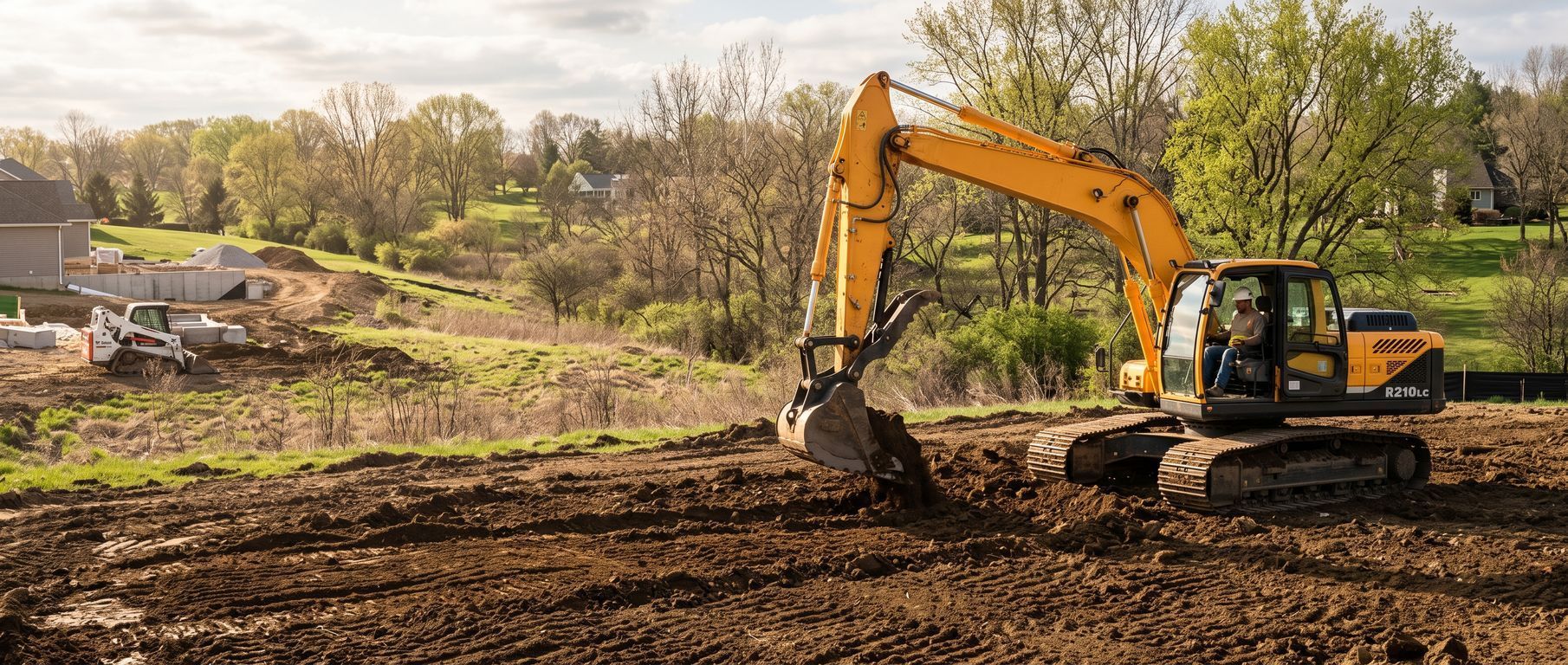
For excavation contractors, spring is when the year is won or lost. The jobs you book (and how you manage them) between March and June set the tone for your entire revenue year. At Precision Dig Excavation , we've learned that a packed spring calendar doesn't happen by accident — it's the result of deliberate winter preparation and disciplined scheduling. Here's how we approach it. Start Filling the Pipeline in Winter If you're waiting until spring to market, you're already behind. The most successful excavation businesses use the slow winter months to: Follow up with past clients who mentioned future projects. Reach out to general contractors and builders who will need excavation work in spring. Run targeted online ads for seasonal services (septic, land clearing, grading). Update their website and Google Business Profile with fresh content and photos. By the time March rolls around, your calendar should already have a healthy base of confirmed work. Qualify Leads Before You Quote Not every inquiry is a good fit. Asking the right questions upfront saves hours of wasted estimating time: What's the scope and timeline? Is the project permitted or in the permitting process? Is financing in place? Have they gotten other estimates? (This tells you how serious they are and where you stand competitively.) Prioritize leads that are ready to go — permitted, funded, and decisive. Use Deposits to Lock In Commitments A signed contract without a deposit is just a conversation. Requiring a deposit (even a modest one) to reserve a spot on your calendar accomplishes several things: It confirms the client is serious. It reduces no-shows and last-minute cancellations. It provides working capital for mobilization costs. It gives you confidence to turn away lower-priority work. Schedule Strategically Not all jobs are created equal. When building your spring calendar: Cluster jobs geographically to minimize travel time and mobilization costs. Sequence weather-sensitive work carefully — schedule drainage and grading work during drier windows and plan indoor or covered tasks for rainy stretches. Build in buffer days. Weather delays will happen. A schedule with zero margin is a schedule that falls apart. Communicate timelines clearly to every client. Underpromise and overdeliver. Manage Capacity, Not Just Volume Booking every job that comes your way sounds great until your crews are stretched thin, quality drops, and clients start complaining. Know your capacity — how many crews, machines, and hours you can sustain — and price accordingly. It's better to be fully booked at profitable rates than overbooked at breakeven. Keep the Funnel Open Even when spring is full, keep marketing. The work you generate now feeds your summer and fall calendar. Consistent visibility — through SEO, social media, referrals, and follow-up — means you're never scrambling for the next job. The bottom line: Treat your calendar like the revenue tool it is. Winter preparation, smart lead qualification, strategic scheduling, and disciplined capacity management are what separate contractors who thrive from those who just survive.
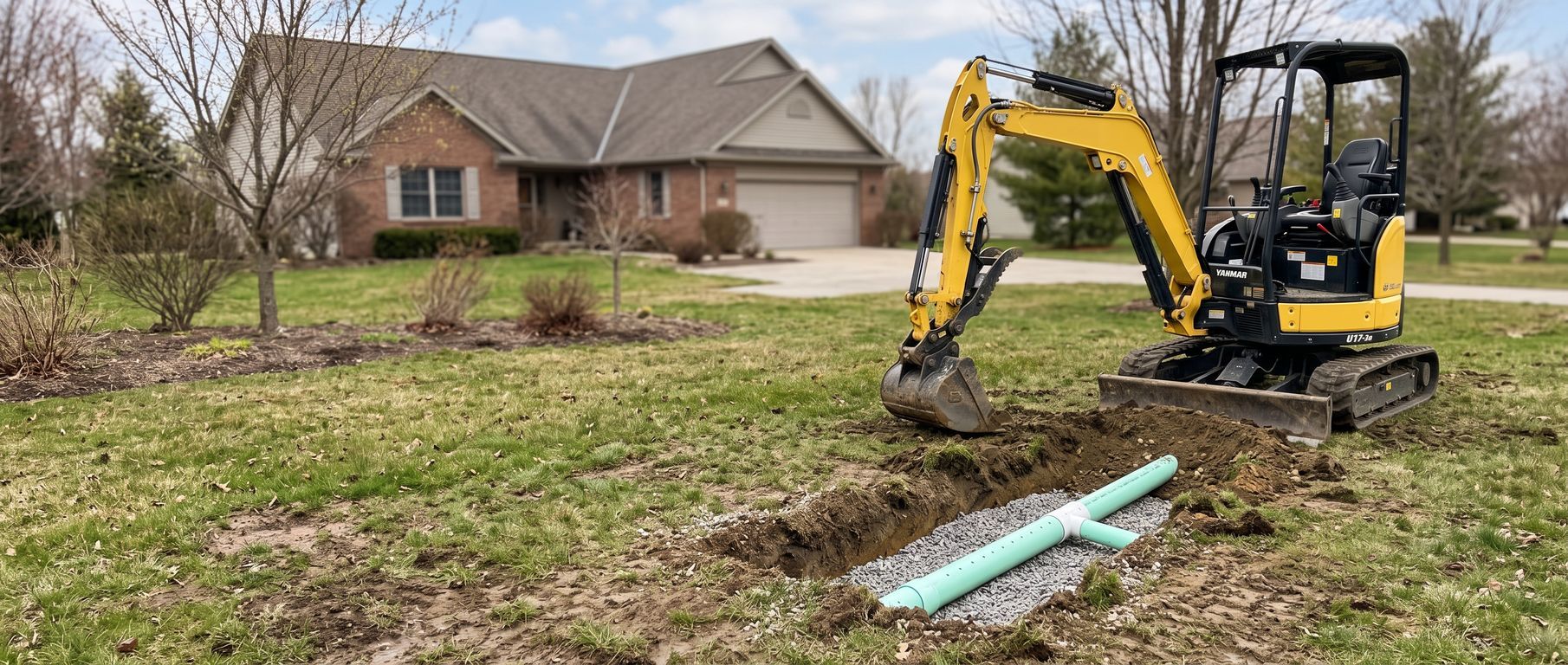
Spring is tough on septic systems. The ground is saturated, water tables rise, and systems that were barely keeping up through the year can fail when conditions shift. Precision Dig Excavation handles septic-related excavation work year-round, but spring is when our phone rings the most. Here's how to spot trouble early — and when to call in a contractor. Why Spring Stresses Septic Systems A septic system depends on the drain field (also called a leach field) to absorb and filter effluent from the tank. In spring, the soil around the drain field is already full of water from snowmelt and rain. That means the system has less capacity to do its job. If your system was marginal to begin with — due to age, undersizing, or soil conditions — spring is when it shows. Warning Signs to Watch For Slow drains throughout the house — If every sink, shower, and toilet is draining sluggishly, the issue is likely at the septic level, not in your interior plumbing. Sewage odor in the yard — A sulfur or sewage smell near the tank or drain field area is a clear sign that effluent isn't being properly absorbed. Standing water or unusually green grass over the drain field — Effluent surfacing is a health hazard and a sign the system is overwhelmed. Sewage backup into the home — The most urgent sign. If wastewater is coming back into your lowest drains, the system is failing. Gurgling sounds in plumbing — This can indicate a full tank or a blockage between the house and the tank. When Pumping Isn't Enough A septic pump-out is basic maintenance, and it may temporarily relieve symptoms. But if the problem is in the drain field — crushed pipes, root intrusion, bio-mat clogging, or a failed soil absorption area — pumping the tank is just a band-aid. This is where excavation comes in. Excavation-Level Septic Work Drain field replacement — Installing a new set of distribution pipes and absorption trenches. This requires significant excavation, new stone, and pipe. Tank replacement — Older concrete tanks can crack, collapse, or lose structural integrity. Excavating and replacing the tank is a major project but sometimes necessary. System relocation — If the existing drain field site has failed due to soil conditions or water table issues, a new location on the property may be needed. Pump chamber or dosing system installation — Upgrading a gravity system to a pressure-dosed system requires excavation to install a pump chamber and new distribution network. D-box (distribution box) repair or replacement — The distribution box divides effluent evenly among drain field lines. If it's damaged or tilted, the field won't function properly. Permitting and Inspections Septic work almost always requires a permit from your local or county health department. A soil evaluation (perc test) may be required for new drain field installations. Your excavation contractor should be experienced with the permitting process in your area and coordinate inspections at each required stage. The bottom line: Don't ignore spring septic warning signs. A failing system won't fix itself — and the longer you wait, the more expensive and disruptive the repair. Catching it early in spring gives you the full construction season to get it resolved before winter.
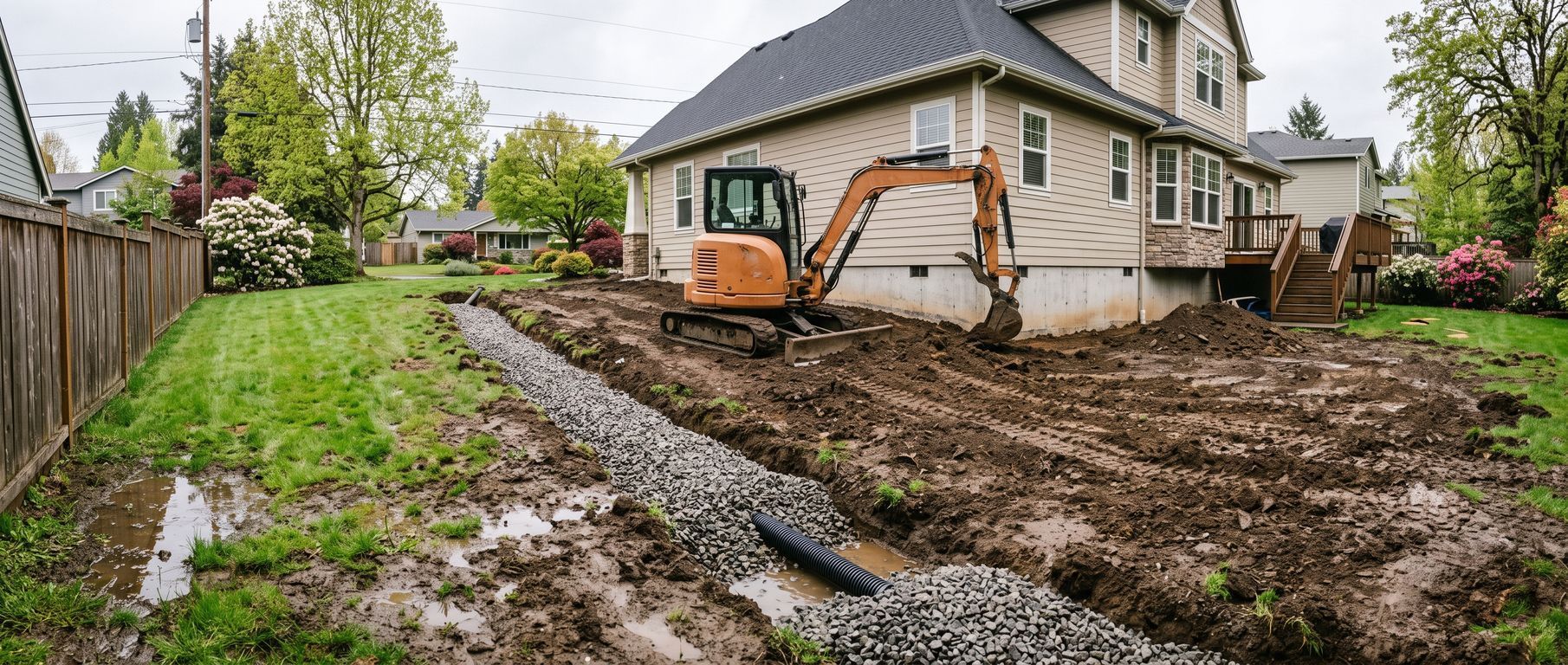
Spring is when water problems reveal themselves. Snowmelt, heavy rains, and saturated ground expose every weakness in your property's drainage — water pooling against foundations, soggy yards, flooded basements, and erosion along slopes. The good news: most of these problems are fixable with proper grading and drainage work. It's one of the most common calls Precision Dig Excavation receives every spring. Why Grading Matters Grading is the slope of the ground around your home or building. When grading is done correctly, water flows away from structures and toward designated drainage areas — swales, ditches, storm drains, or dry wells. When grading is wrong, water flows toward your foundation, and the consequences range from annoying (perpetually wet basement) to catastrophic (structural damage and mold). The general rule of thumb is a minimum of six inches of fall over the first ten feet away from a foundation. Many properties — especially older ones — have settled over time and no longer meet this standard. Common Spring Drainage Problems Negative grading — The ground slopes toward the building instead of away from it, often due to soil settlement or poorly placed landscaping. Downspout discharge too close to the foundation — Gutters collect a huge volume of water. If downspouts dump it right next to the house, you're creating your own flood. Blocked or nonexistent swales — Swales are shallow channels designed to direct surface water. They get filled in over time by landscaping, sod, or settling. High water table — In some areas, the spring water table rises high enough to push water up through basement floors and into crawlspaces. This requires more aggressive solutions. Compacted soil — Heavy clay soil or areas compacted by foot traffic and vehicles don't absorb water well, leading to pooling and runoff. Solutions an Excavation Contractor Can Provide Regrading — Reshaping the ground surface around your home to restore proper slope. This is often the simplest and most cost-effective fix. French drains — A perforated pipe buried in a gravel-filled trench that collects subsurface water and redirects it away from problem areas. Curtain drains — Similar to French drains but designed to intercept groundwater moving laterally through a slope before it reaches your home. Swale construction — Grading shallow channels to direct surface water to appropriate outlets. Dry wells — Underground chambers that collect runoff and allow it to percolate slowly into the soil. Downspout extensions and underground piping — Routing gutter discharge well away from the foundation through buried PVC or corrugated pipe. When to Act If you see water problems in spring, don't wait until fall to fix them. The issue will only worsen as seasons cycle. Spring is actually an excellent time to do drainage work because you can observe the problem in real time and verify that the solution works before the contractor leaves. The bottom line: Water is the number-one enemy of buildings and foundations. A few hours of excavation work to correct grading and drainage can prevent tens of thousands of dollars in water damage. If your yard turns into a lake every spring, give Precision Dig Excavation a call — it's one of the most impactful fixes we do.
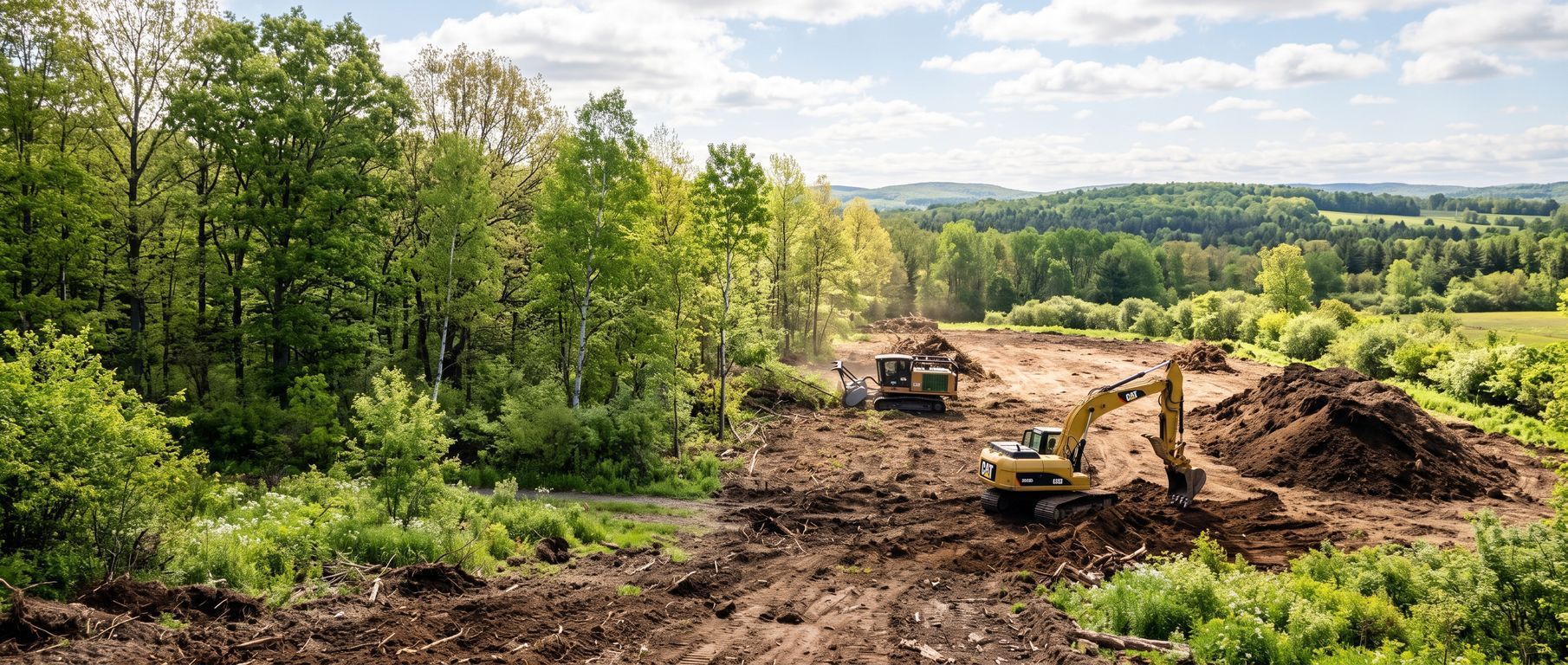
If you're planning to build on raw or overgrown land, spring is the ideal season to clear it. The timing works in your favor from a weather, biological, and scheduling perspective. Here's why — and what the process actually looks like when the Precision Dig Excavation crew shows up. Why Spring Is the Sweet Spot Frozen ground is gone, but the soil is firming up. By mid-to-late spring, most sites have drained enough for equipment access without excessive rutting. Vegetation is visible but not fully grown. You can see what you're dealing with — brush, stumps, saplings — without fighting through a jungle of summer foliage. It sets up your construction timeline. Clearing in spring means you're ready for foundation work in early summer, which is the ideal sequence for most residential and commercial builds. Wildlife and nesting considerations. Depending on your region, early spring (before nesting season peaks) may be the most environmentally responsible time to clear. What Land Clearing Involves Land clearing is more than just knocking down trees. A complete clearing operation typically includes: Tree removal — Felling, bucking, and removing trees from the work area. Marketable timber may be separated and sold; the rest is chipped, burned (where permitted), or hauled away. Brush and undergrowth removal — Mowers, mulchers, or manual clearing depending on density and terrain. Stump removal — Stumps are either ground in place or excavated entirely, depending on what's being built on the site. Topsoil stripping — Organic topsoil is typically stripped and stockpiled for later use in final grading and landscaping. Grubbing — Removing root systems, buried organic material, and debris below grade. This step is critical for any area that will support a structure or paved surface. Rough grading — Shaping the site to approximate final grade in preparation for foundation work, utilities, or roadways. Permits and Regulations Before you clear a single tree, check with your local municipality. Many areas have tree preservation ordinances, wetland setback requirements, and erosion control mandates. You may also need a burn permit if debris will be disposed of on-site. Your excavation contractor should be familiar with local regulations and can help navigate the permitting process. Choosing the Right Contractor Not all excavation companies do land clearing, and not all land clearing crews do excavation. Ideally, you want a contractor who can handle both — clearing the site and then performing the subsequent earthwork. This eliminates coordination headaches and usually costs less than hiring two separate companies. Ask about: Equipment — Do they have forestry mulchers, grinders, and appropriately sized excavators for your lot? Disposal — How will they handle debris? On-site burning, chipping, or hauling? Topsoil management — Will they strip, stockpile, and respread topsoil? Experience — Have they cleared lots similar in size, terrain, and vegetation to yours? The bottom line: Clearing your lot in spring puts you ahead of the curve for building season. It's one of those "get it done now, thank yourself later" moves that pays dividends for the rest of the project.
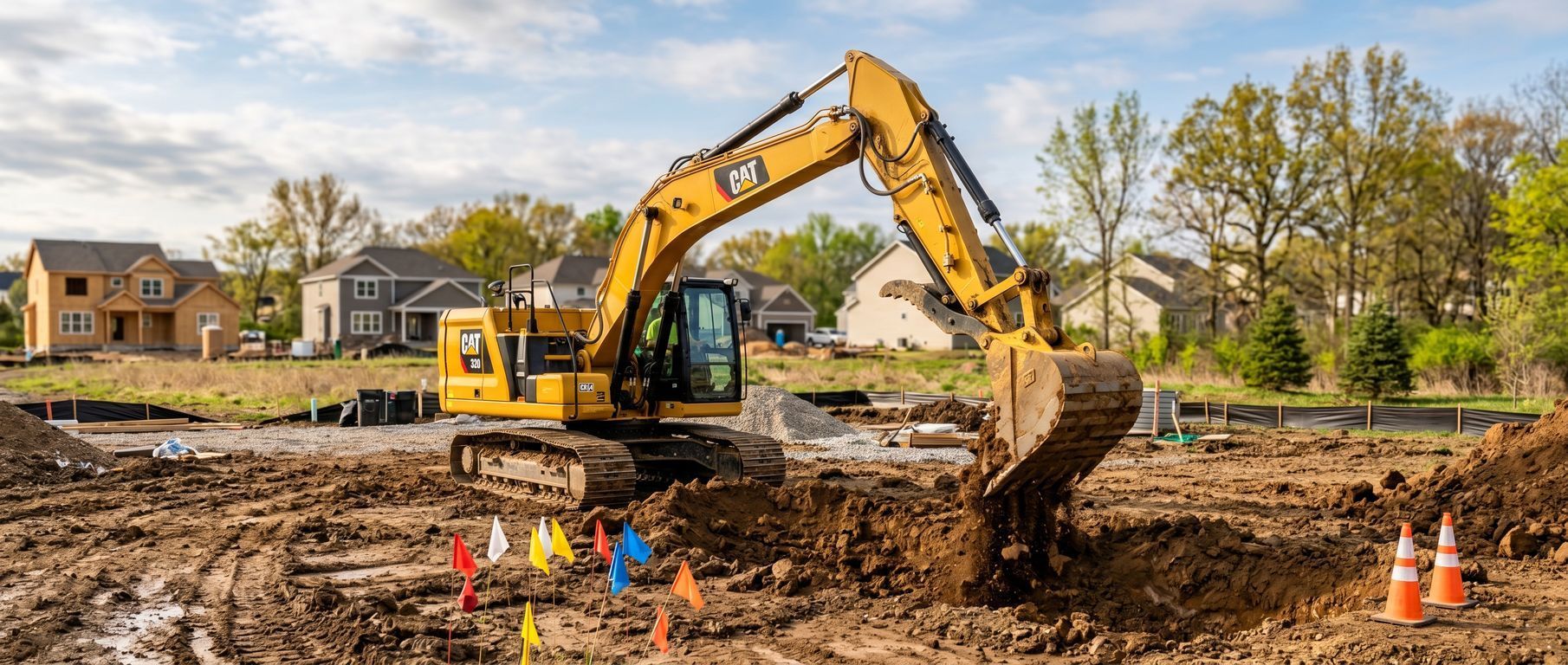
Spring is the most popular time of year to break ground — whether you're building a home, adding a garage, installing a septic system, or regrading your property. But jumping in without preparation leads to delays, surprise costs, and frustration. The team at Precision Dig Excavation put together this guide to help every property owner understand what's involved before the first bucket hits the dirt. Start with a Plan, Not a Phone Call Before you contact an excavation contractor, have a clear picture of what you want to accomplish. The more detail you can provide, the more accurate your estimate will be. Helpful information includes: - A survey or plot plan of your property. - The scope of work (foundation dig, land clearing, driveway, drainage, etc.). - Any known issues (high water table, rock, buried debris, steep slopes). - Your desired timeline and any hard deadlines (concrete pour date, building permit expiration, etc.). Permitting Comes First Most excavation work requires permits — and permits take time. Depending on your municipality, you may need: A building permit for structural excavation. A grading permit for significant earth-moving. An erosion and sediment control plan approved by your local conservation district. A septic permit from the health department for any septic-related work. Your contractor can often guide you through the permitting process, but ultimately the property owner is responsible for having permits in place before work begins. Call 811 — It's the Law Before any digging happens, underground utilities must be marked. Call 811 at least a few business days before your planned start date (timing varies by state). This free service sends locators to mark public water, sewer, gas, electric, and telecom lines on your property. Important note: 811 does not mark private utilities like well lines, propane lines, irrigation systems, or private sewer laterals. Discuss these with your contractor so they can take precautions. Get Multiple Estimates — But Compare Apples to Apples It's wise to get two or three estimates, but make sure each contractor is bidding on the same scope of work. A lowball number often means something is being left out — hauling spoils, importing fill, erosion controls, or final grading. Ask what's included and what's not. Understand How Weather Affects the Schedule Spring weather is unpredictable. Rain delays are common and unavoidable. A good contractor builds weather contingency into the schedule, but you should be prepared for flexibility. Excavation work done in poor conditions leads to poor results — patience pays off. Access and Site Conditions Matter Think about how equipment will get to the work area. Excavators, trucks, and loaders need a clear path, and they're heavy enough to damage driveways, landscaping, and underground sprinkler systems. Discuss access routes with your contractor upfront and remove or protect anything valuable in the path. Ask About Cleanup and Final Grading Some contractors include final grading and site cleanup in their bid; others don't. Make sure you know what the site will look like when the excavation work is done. Will it be rough-graded and ready for the next trade? Or will you need a separate contractor to finish the surface? The bottom line: A little preparation before the project starts saves a lot of headaches once the machines arrive. The best excavation projects are the ones where the property owner and contractor are aligned from the very first conversation. If you have questions about your upcoming project, reach out to Precision Dig Excavation — we're happy to walk you through it.
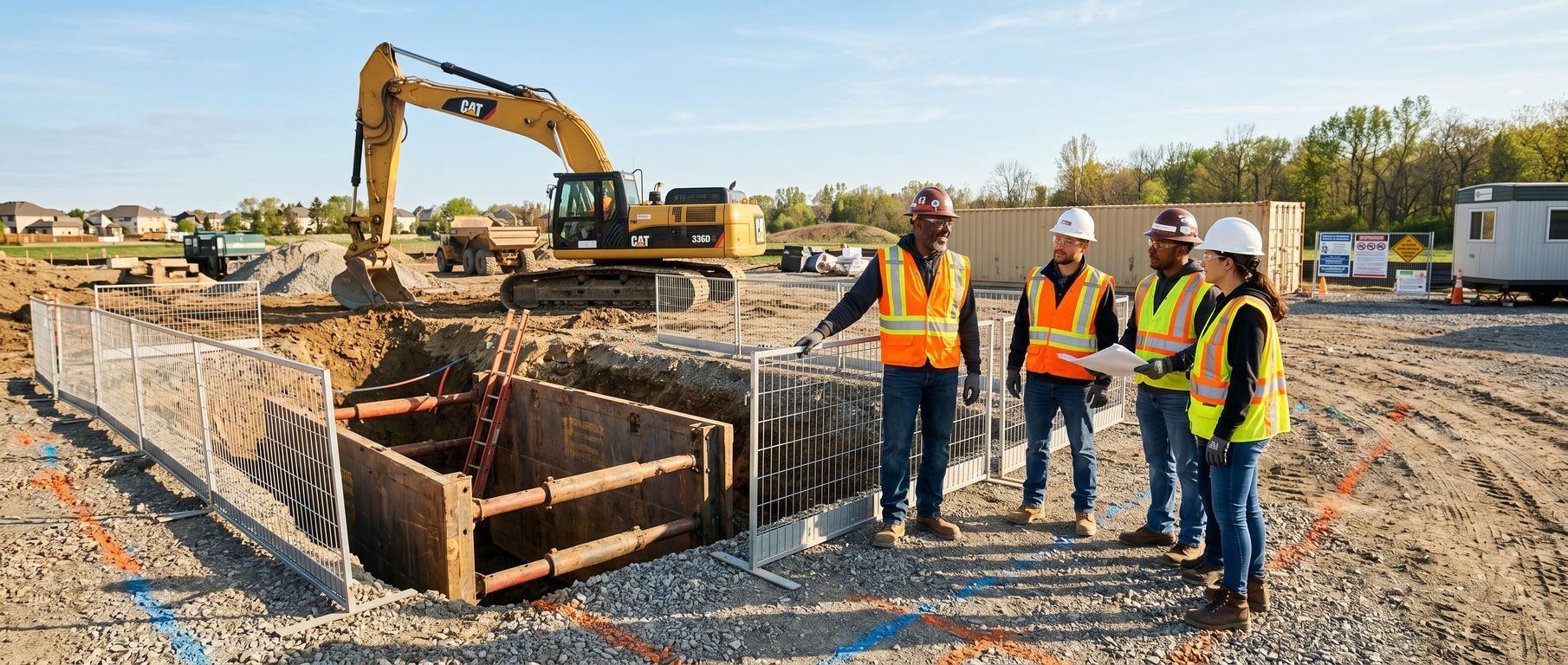
Spring brings a surge of work — and a surge of risk. Crews that have been idle or working reduced hours through winter need a deliberate reset before the pace picks up. At Precision Dig Excavation , pre-season safety training isn't a formality — it's one of the most important days on our calendar. Why Spring Is a High-Risk Period Statistically, workplace injuries spike at the beginning of busy seasons. Crews are rusty, new hires may be onboarding, and the pressure to make up for lost winter revenue can lead to shortcuts. Add in the inherent hazards of excavation — cave-ins, struck-by incidents, utility strikes — and the stakes are as high as they get in construction. Trench and Excavation Safety (OSHA Focus) Trench collapses are among the most deadly hazards in construction. Every crew member who enters or works near a trench or excavation should review: Soil classification — How to identify Type A, B, and C soils and what protective systems each requires. Protective systems — Sloping, shoring, and trench boxes. When each is appropriate and how to install them correctly. Competent person requirements — OSHA mandates that a competent person inspect trenches daily and after any rain event, vibration, or change in conditions. Access and egress — Ladders, ramps, or steps must be within 25 feet of all workers in trenches four feet deep or more. Utility Locate Protocols Every spring project should begin with a call to 811 (or your state's one-call system). But training should go beyond just "call before you dig." Review how to read locate markings and color codes. Discuss tolerance zones and hand-digging requirements near marked utilities. Emphasize that private utilities (irrigation, propane, septic lines) are NOT marked by 811 — the property owner and contractor share responsibility for those. Equipment Operation Refreshers Operators who haven't been in a cab for weeks or months benefit from a structured refresher. Walk-around inspection procedures. Control familiarization, especially if operators are rotating between different machine brands or models. Blind-spot awareness and spotter communication protocols. Load chart review for cranes or machines used for lifting. Personal Protective Equipment (PPE) Inspect and replace worn-out PPE before the season starts. Review requirements for: Hard hats (check for cracks, sun damage, and expired suspension systems). High-visibility vests or clothing. Hearing protection near heavy equipment. Eye protection during demolition, concrete cutting, or dusty conditions. Gloves appropriate to the task. Emergency Action Plans Every crew should know what to do if something goes wrong. Who calls 911 and from where? Where is the nearest hospital or urgent care? Where are fire extinguishers, first-aid kits, and AEDs located? What's the plan for a trench rescue? (Hint: you do NOT jump into a collapsed trench to help — you call for rescue and begin digging from the outside.) Document Everything Hold a formal safety kickoff meeting. Use sign-in sheets. Keep records of all training topics covered, attendees, and dates. This documentation is essential for OSHA compliance and protects you in the event of an incident or audit. The bottom line: Thirty minutes to an hour of focused safety training before the first dig of the season can prevent injuries, save lives, and protect your business. It's the most productive time you'll spend all spring.
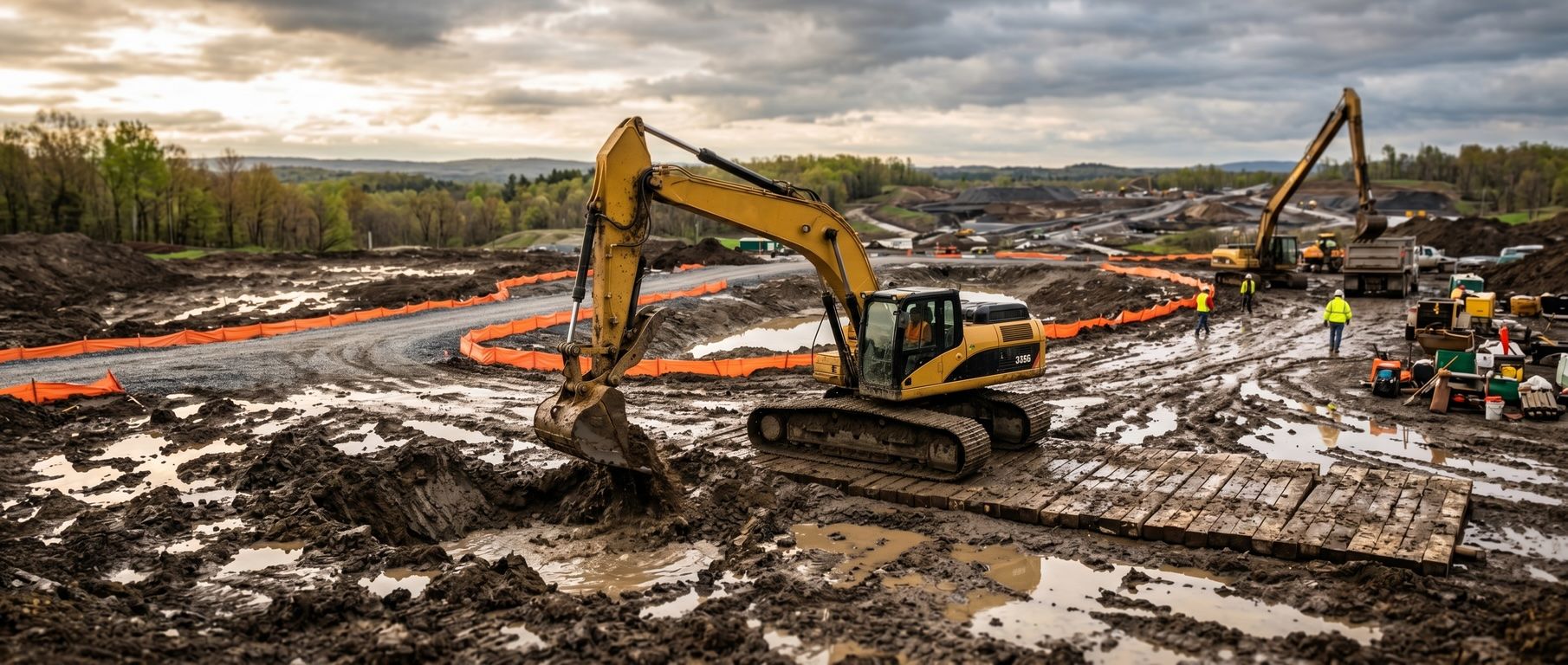
Mud is the defining challenge of spring excavation. It slows production, damages equipment, creates safety hazards, and can compromise the quality of finished work. At Precision Dig Excavation , we don't just accept mud — we manage it. Understanding the Problem Wet soil behaves differently than dry soil in almost every way that matters to excavation. It's heavier, stickier, less stable, and harder to compact. Equipment sinks, trenches collapse, spoil piles turn into slurry, and haul roads become impassable. Left unmanaged, a muddy jobsite can turn a three-day project into a two-week ordeal. Site Access and Stabilization The first priority is maintaining access to and across the site. Timber mats or composite mats distribute equipment weight across a larger area and prevent machines from sinking. They're an added cost but can pay for themselves in saved time and reduced site damage. Geotextile fabric laid beneath gravel access roads keeps stone from migrating into soft subsoil. Gravel pads at entry points give trucks and equipment a stable surface to load and unload. Designated haul routes prevent the entire site from getting chewed up. Restrict traffic to specific paths and reinforce them as needed. Drainage Control Water management is the single most effective thing you can do on a muddy site. Diversion ditches route surface water away from the active work area. Sump pits with pumps remove standing water from excavations. Proper grading of temporary surfaces directs water toward designated collection points rather than letting it pool. Silt fencing and sediment controls aren't just good practice — they're typically required by your erosion control permit. Equipment Selection Not all machines handle mud equally. Wide-track or low-ground-pressure (LGP) excavators float better on soft ground. Rubber-tracked machines cause less surface damage than steel tracks on finished or semi-finished areas. Articulated dump trucks outperform rigid-frame trucks in soft conditions thanks to better weight distribution and maneuverability. Protecting Work Quality Even with good access and drainage, wet conditions can compromise the work itself. Don't compact wet fill. It may pass a quick visual check but will settle dramatically once it dries. Wait for the right moisture content. Stockpile dry backfill material under tarps so you have usable fill even after a rain event. Test soil before placing structural fill. A simple hand test or proctor test tells you whether conditions are acceptable for compaction. Crew Safety Mud makes everything more dangerous. Slippery surfaces, unstable trench walls, and limited visibility are all heightened risks. - Require proper footwear — steel-toe boots with aggressive tread. - Re-evaluate trench stability after every rain event. - Keep first-aid and spill kits accessible — not buried behind equipment on a soggy staging area. The bottom line: You can't control the weather, but you can control how your site responds to it. A proactive approach to mud management keeps projects on track and protects your reputation for quality work.
The body content of your post goes here. To edit this text, click on it and delete this default text and start typing your own or paste your own from a different source.
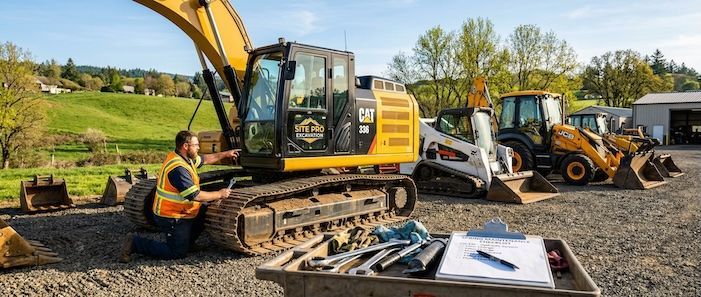
Spring is go-time for excavation contractors, and the last thing you need is a machine going down on Day One because it sat idle through the winter. At Precision Dig Excavation , a thorough pre-season maintenance routine is one of the first things we complete every year — because it protects our investment, keeps our crew safe, and prevents costly mid-project breakdowns. Hydraulic Systems Start with your hydraulic lines, fittings, and cylinders. Cold weather causes seals to contract and crack, and hoses can become brittle over months of inactivity. Look for any signs of leaking fluid, soft spots on hoses, or corrosion around fittings. Replace any suspect components before they fail under load. Check hydraulic fluid levels and quality. If fluid looks cloudy, dark, or has visible particles, it's time for a change. Contaminated hydraulic fluid is one of the top causes of pump failure in excavators. Undercarriage Inspection The undercarriage accounts for a significant percentage of your total machine maintenance costs. Inspect track tension, look for worn or missing bolts, and check for cracks in the track pads. Measure pin and bushing wear — if you're close to service limits, it's better to address it now than to lose a track mid-dig. For wheeled equipment, check tire pressure, tread depth, and sidewall condition. Winter storage on cold concrete can cause flat spots that may or may not work themselves out. Fluids and Filters Engine oil and filter — Change both, even if you did it before storage. Condensation can contaminate oil sitting in a cold engine. Coolant — Test antifreeze concentration and top off. Flush if it's been more than two years. Fuel — If equipment sat with fuel in the tank, check for water contamination and consider adding a fuel stabilizer or draining and refilling. DEF (Diesel Exhaust Fluid) — DEF can degrade over time, especially in temperature swings. Top off with fresh fluid. Electrical Systems Batteries are the most common winter casualty. Load-test every battery, clean terminals, and check cable connections. Inspect wiring harnesses for rodent damage — mice love to nest in idle equipment. Test all lights, strobes, backup alarms, and camera systems. These are safety-critical and often overlooked. Attachments and Buckets Inspect bucket teeth and cutting edges for wear. Dull or missing teeth slow production and increase fuel consumption. Check quick-coupler pins and locks to ensure attachments seat properly and securely. Greasing and Lubrication Hit every grease point on every machine. Joints that sat dry through the winter are joints that wear fast. Refer to your operator's manual for the full list of service points — most excavators have 15 to 20 or more. Create a Checklist and Assign Ownership Don't leave pre-season maintenance to chance. Build a written checklist for each machine and assign a crew member to complete and sign off on it. Document everything — it protects you for warranty claims and demonstrates due diligence if there's ever an incident. The bottom line: A day or two of thorough maintenance now can save you weeks of downtime during your busiest and most profitable months. Treat spring prep like an investment, not a chore.
For excavation contractors, spring is when the year is won or lost. The jobs you book (and how you manage them) between March and June set the tone for your entire revenue year. At Precision Dig Excavation , we've learned that a packed spring calendar doesn't happen by accident — it's the result of deliberate winter preparation and disciplined scheduling. Here's how we approach it. Start Filling the Pipeline in Winter If you're waiting until spring to market, you're already behind. The most successful excavation businesses use the slow winter months to: Follow up with past clients who mentioned future projects. Reach out to general contractors and builders who will need excavation work in spring. Run targeted online ads for seasonal services (septic, land clearing, grading). Update their website and Google Business Profile with fresh content and photos. By the time March rolls around, your calendar should already have a healthy base of confirmed work. Qualify Leads Before You Quote Not every inquiry is a good fit. Asking the right questions upfront saves hours of wasted estimating time: What's the scope and timeline? Is the project permitted or in the permitting process? Is financing in place? Have they gotten other estimates? (This tells you how serious they are and where you stand competitively.) Prioritize leads that are ready to go — permitted, funded, and decisive. Use Deposits to Lock In Commitments A signed contract without a deposit is just a conversation. Requiring a deposit (even a modest one) to reserve a spot on your calendar accomplishes several things: It confirms the client is serious. It reduces no-shows and last-minute cancellations. It provides working capital for mobilization costs. It gives you confidence to turn away lower-priority work. Schedule Strategically Not all jobs are created equal. When building your spring calendar: Cluster jobs geographically to minimize travel time and mobilization costs. Sequence weather-sensitive work carefully — schedule drainage and grading work during drier windows and plan indoor or covered tasks for rainy stretches. Build in buffer days. Weather delays will happen. A schedule with zero margin is a schedule that falls apart. Communicate timelines clearly to every client. Underpromise and overdeliver. Manage Capacity, Not Just Volume Booking every job that comes your way sounds great until your crews are stretched thin, quality drops, and clients start complaining. Know your capacity — how many crews, machines, and hours you can sustain — and price accordingly. It's better to be fully booked at profitable rates than overbooked at breakeven. Keep the Funnel Open Even when spring is full, keep marketing. The work you generate now feeds your summer and fall calendar. Consistent visibility — through SEO, social media, referrals, and follow-up — means you're never scrambling for the next job. The bottom line: Treat your calendar like the revenue tool it is. Winter preparation, smart lead qualification, strategic scheduling, and disciplined capacity management are what separate contractors who thrive from those who just survive.
Spring is tough on septic systems. The ground is saturated, water tables rise, and systems that were barely keeping up through the year can fail when conditions shift. Precision Dig Excavation handles septic-related excavation work year-round, but spring is when our phone rings the most. Here's how to spot trouble early — and when to call in a contractor. Why Spring Stresses Septic Systems A septic system depends on the drain field (also called a leach field) to absorb and filter effluent from the tank. In spring, the soil around the drain field is already full of water from snowmelt and rain. That means the system has less capacity to do its job. If your system was marginal to begin with — due to age, undersizing, or soil conditions — spring is when it shows. Warning Signs to Watch For Slow drains throughout the house — If every sink, shower, and toilet is draining sluggishly, the issue is likely at the septic level, not in your interior plumbing. Sewage odor in the yard — A sulfur or sewage smell near the tank or drain field area is a clear sign that effluent isn't being properly absorbed. Standing water or unusually green grass over the drain field — Effluent surfacing is a health hazard and a sign the system is overwhelmed. Sewage backup into the home — The most urgent sign. If wastewater is coming back into your lowest drains, the system is failing. Gurgling sounds in plumbing — This can indicate a full tank or a blockage between the house and the tank. When Pumping Isn't Enough A septic pump-out is basic maintenance, and it may temporarily relieve symptoms. But if the problem is in the drain field — crushed pipes, root intrusion, bio-mat clogging, or a failed soil absorption area — pumping the tank is just a band-aid. This is where excavation comes in. Excavation-Level Septic Work Drain field replacement — Installing a new set of distribution pipes and absorption trenches. This requires significant excavation, new stone, and pipe. Tank replacement — Older concrete tanks can crack, collapse, or lose structural integrity. Excavating and replacing the tank is a major project but sometimes necessary. System relocation — If the existing drain field site has failed due to soil conditions or water table issues, a new location on the property may be needed. Pump chamber or dosing system installation — Upgrading a gravity system to a pressure-dosed system requires excavation to install a pump chamber and new distribution network. D-box (distribution box) repair or replacement — The distribution box divides effluent evenly among drain field lines. If it's damaged or tilted, the field won't function properly. Permitting and Inspections Septic work almost always requires a permit from your local or county health department. A soil evaluation (perc test) may be required for new drain field installations. Your excavation contractor should be experienced with the permitting process in your area and coordinate inspections at each required stage. The bottom line: Don't ignore spring septic warning signs. A failing system won't fix itself — and the longer you wait, the more expensive and disruptive the repair. Catching it early in spring gives you the full construction season to get it resolved before winter.
Spring is when water problems reveal themselves. Snowmelt, heavy rains, and saturated ground expose every weakness in your property's drainage — water pooling against foundations, soggy yards, flooded basements, and erosion along slopes. The good news: most of these problems are fixable with proper grading and drainage work. It's one of the most common calls Precision Dig Excavation receives every spring. Why Grading Matters Grading is the slope of the ground around your home or building. When grading is done correctly, water flows away from structures and toward designated drainage areas — swales, ditches, storm drains, or dry wells. When grading is wrong, water flows toward your foundation, and the consequences range from annoying (perpetually wet basement) to catastrophic (structural damage and mold). The general rule of thumb is a minimum of six inches of fall over the first ten feet away from a foundation. Many properties — especially older ones — have settled over time and no longer meet this standard. Common Spring Drainage Problems Negative grading — The ground slopes toward the building instead of away from it, often due to soil settlement or poorly placed landscaping. Downspout discharge too close to the foundation — Gutters collect a huge volume of water. If downspouts dump it right next to the house, you're creating your own flood. Blocked or nonexistent swales — Swales are shallow channels designed to direct surface water. They get filled in over time by landscaping, sod, or settling. High water table — In some areas, the spring water table rises high enough to push water up through basement floors and into crawlspaces. This requires more aggressive solutions. Compacted soil — Heavy clay soil or areas compacted by foot traffic and vehicles don't absorb water well, leading to pooling and runoff. Solutions an Excavation Contractor Can Provide Regrading — Reshaping the ground surface around your home to restore proper slope. This is often the simplest and most cost-effective fix. French drains — A perforated pipe buried in a gravel-filled trench that collects subsurface water and redirects it away from problem areas. Curtain drains — Similar to French drains but designed to intercept groundwater moving laterally through a slope before it reaches your home. Swale construction — Grading shallow channels to direct surface water to appropriate outlets. Dry wells — Underground chambers that collect runoff and allow it to percolate slowly into the soil. Downspout extensions and underground piping — Routing gutter discharge well away from the foundation through buried PVC or corrugated pipe. When to Act If you see water problems in spring, don't wait until fall to fix them. The issue will only worsen as seasons cycle. Spring is actually an excellent time to do drainage work because you can observe the problem in real time and verify that the solution works before the contractor leaves. The bottom line: Water is the number-one enemy of buildings and foundations. A few hours of excavation work to correct grading and drainage can prevent tens of thousands of dollars in water damage. If your yard turns into a lake every spring, give Precision Dig Excavation a call — it's one of the most impactful fixes we do.
If you're planning to build on raw or overgrown land, spring is the ideal season to clear it. The timing works in your favor from a weather, biological, and scheduling perspective. Here's why — and what the process actually looks like when the Precision Dig Excavation crew shows up. Why Spring Is the Sweet Spot Frozen ground is gone, but the soil is firming up. By mid-to-late spring, most sites have drained enough for equipment access without excessive rutting. Vegetation is visible but not fully grown. You can see what you're dealing with — brush, stumps, saplings — without fighting through a jungle of summer foliage. It sets up your construction timeline. Clearing in spring means you're ready for foundation work in early summer, which is the ideal sequence for most residential and commercial builds. Wildlife and nesting considerations. Depending on your region, early spring (before nesting season peaks) may be the most environmentally responsible time to clear. What Land Clearing Involves Land clearing is more than just knocking down trees. A complete clearing operation typically includes: Tree removal — Felling, bucking, and removing trees from the work area. Marketable timber may be separated and sold; the rest is chipped, burned (where permitted), or hauled away. Brush and undergrowth removal — Mowers, mulchers, or manual clearing depending on density and terrain. Stump removal — Stumps are either ground in place or excavated entirely, depending on what's being built on the site. Topsoil stripping — Organic topsoil is typically stripped and stockpiled for later use in final grading and landscaping. Grubbing — Removing root systems, buried organic material, and debris below grade. This step is critical for any area that will support a structure or paved surface. Rough grading — Shaping the site to approximate final grade in preparation for foundation work, utilities, or roadways. Permits and Regulations Before you clear a single tree, check with your local municipality. Many areas have tree preservation ordinances, wetland setback requirements, and erosion control mandates. You may also need a burn permit if debris will be disposed of on-site. Your excavation contractor should be familiar with local regulations and can help navigate the permitting process. Choosing the Right Contractor Not all excavation companies do land clearing, and not all land clearing crews do excavation. Ideally, you want a contractor who can handle both — clearing the site and then performing the subsequent earthwork. This eliminates coordination headaches and usually costs less than hiring two separate companies. Ask about: Equipment — Do they have forestry mulchers, grinders, and appropriately sized excavators for your lot? Disposal — How will they handle debris? On-site burning, chipping, or hauling? Topsoil management — Will they strip, stockpile, and respread topsoil? Experience — Have they cleared lots similar in size, terrain, and vegetation to yours? The bottom line: Clearing your lot in spring puts you ahead of the curve for building season. It's one of those "get it done now, thank yourself later" moves that pays dividends for the rest of the project.
Spring is the most popular time of year to break ground — whether you're building a home, adding a garage, installing a septic system, or regrading your property. But jumping in without preparation leads to delays, surprise costs, and frustration. The team at Precision Dig Excavation put together this guide to help every property owner understand what's involved before the first bucket hits the dirt. Start with a Plan, Not a Phone Call Before you contact an excavation contractor, have a clear picture of what you want to accomplish. The more detail you can provide, the more accurate your estimate will be. Helpful information includes: - A survey or plot plan of your property. - The scope of work (foundation dig, land clearing, driveway, drainage, etc.). - Any known issues (high water table, rock, buried debris, steep slopes). - Your desired timeline and any hard deadlines (concrete pour date, building permit expiration, etc.). Permitting Comes First Most excavation work requires permits — and permits take time. Depending on your municipality, you may need: A building permit for structural excavation. A grading permit for significant earth-moving. An erosion and sediment control plan approved by your local conservation district. A septic permit from the health department for any septic-related work. Your contractor can often guide you through the permitting process, but ultimately the property owner is responsible for having permits in place before work begins. Call 811 — It's the Law Before any digging happens, underground utilities must be marked. Call 811 at least a few business days before your planned start date (timing varies by state). This free service sends locators to mark public water, sewer, gas, electric, and telecom lines on your property. Important note: 811 does not mark private utilities like well lines, propane lines, irrigation systems, or private sewer laterals. Discuss these with your contractor so they can take precautions. Get Multiple Estimates — But Compare Apples to Apples It's wise to get two or three estimates, but make sure each contractor is bidding on the same scope of work. A lowball number often means something is being left out — hauling spoils, importing fill, erosion controls, or final grading. Ask what's included and what's not. Understand How Weather Affects the Schedule Spring weather is unpredictable. Rain delays are common and unavoidable. A good contractor builds weather contingency into the schedule, but you should be prepared for flexibility. Excavation work done in poor conditions leads to poor results — patience pays off. Access and Site Conditions Matter Think about how equipment will get to the work area. Excavators, trucks, and loaders need a clear path, and they're heavy enough to damage driveways, landscaping, and underground sprinkler systems. Discuss access routes with your contractor upfront and remove or protect anything valuable in the path. Ask About Cleanup and Final Grading Some contractors include final grading and site cleanup in their bid; others don't. Make sure you know what the site will look like when the excavation work is done. Will it be rough-graded and ready for the next trade? Or will you need a separate contractor to finish the surface? The bottom line: A little preparation before the project starts saves a lot of headaches once the machines arrive. The best excavation projects are the ones where the property owner and contractor are aligned from the very first conversation. If you have questions about your upcoming project, reach out to Precision Dig Excavation — we're happy to walk you through it.
Spring brings a surge of work — and a surge of risk. Crews that have been idle or working reduced hours through winter need a deliberate reset before the pace picks up. At Precision Dig Excavation , pre-season safety training isn't a formality — it's one of the most important days on our calendar. Why Spring Is a High-Risk Period Statistically, workplace injuries spike at the beginning of busy seasons. Crews are rusty, new hires may be onboarding, and the pressure to make up for lost winter revenue can lead to shortcuts. Add in the inherent hazards of excavation — cave-ins, struck-by incidents, utility strikes — and the stakes are as high as they get in construction. Trench and Excavation Safety (OSHA Focus) Trench collapses are among the most deadly hazards in construction. Every crew member who enters or works near a trench or excavation should review: Soil classification — How to identify Type A, B, and C soils and what protective systems each requires. Protective systems — Sloping, shoring, and trench boxes. When each is appropriate and how to install them correctly. Competent person requirements — OSHA mandates that a competent person inspect trenches daily and after any rain event, vibration, or change in conditions. Access and egress — Ladders, ramps, or steps must be within 25 feet of all workers in trenches four feet deep or more. Utility Locate Protocols Every spring project should begin with a call to 811 (or your state's one-call system). But training should go beyond just "call before you dig." Review how to read locate markings and color codes. Discuss tolerance zones and hand-digging requirements near marked utilities. Emphasize that private utilities (irrigation, propane, septic lines) are NOT marked by 811 — the property owner and contractor share responsibility for those. Equipment Operation Refreshers Operators who haven't been in a cab for weeks or months benefit from a structured refresher. Walk-around inspection procedures. Control familiarization, especially if operators are rotating between different machine brands or models. Blind-spot awareness and spotter communication protocols. Load chart review for cranes or machines used for lifting. Personal Protective Equipment (PPE) Inspect and replace worn-out PPE before the season starts. Review requirements for: Hard hats (check for cracks, sun damage, and expired suspension systems). High-visibility vests or clothing. Hearing protection near heavy equipment. Eye protection during demolition, concrete cutting, or dusty conditions. Gloves appropriate to the task. Emergency Action Plans Every crew should know what to do if something goes wrong. Who calls 911 and from where? Where is the nearest hospital or urgent care? Where are fire extinguishers, first-aid kits, and AEDs located? What's the plan for a trench rescue? (Hint: you do NOT jump into a collapsed trench to help — you call for rescue and begin digging from the outside.) Document Everything Hold a formal safety kickoff meeting. Use sign-in sheets. Keep records of all training topics covered, attendees, and dates. This documentation is essential for OSHA compliance and protects you in the event of an incident or audit. The bottom line: Thirty minutes to an hour of focused safety training before the first dig of the season can prevent injuries, save lives, and protect your business. It's the most productive time you'll spend all spring.
Mud is the defining challenge of spring excavation. It slows production, damages equipment, creates safety hazards, and can compromise the quality of finished work. At Precision Dig Excavation , we don't just accept mud — we manage it. Understanding the Problem Wet soil behaves differently than dry soil in almost every way that matters to excavation. It's heavier, stickier, less stable, and harder to compact. Equipment sinks, trenches collapse, spoil piles turn into slurry, and haul roads become impassable. Left unmanaged, a muddy jobsite can turn a three-day project into a two-week ordeal. Site Access and Stabilization The first priority is maintaining access to and across the site. Timber mats or composite mats distribute equipment weight across a larger area and prevent machines from sinking. They're an added cost but can pay for themselves in saved time and reduced site damage. Geotextile fabric laid beneath gravel access roads keeps stone from migrating into soft subsoil. Gravel pads at entry points give trucks and equipment a stable surface to load and unload. Designated haul routes prevent the entire site from getting chewed up. Restrict traffic to specific paths and reinforce them as needed. Drainage Control Water management is the single most effective thing you can do on a muddy site. Diversion ditches route surface water away from the active work area. Sump pits with pumps remove standing water from excavations. Proper grading of temporary surfaces directs water toward designated collection points rather than letting it pool. Silt fencing and sediment controls aren't just good practice — they're typically required by your erosion control permit. Equipment Selection Not all machines handle mud equally. Wide-track or low-ground-pressure (LGP) excavators float better on soft ground. Rubber-tracked machines cause less surface damage than steel tracks on finished or semi-finished areas. Articulated dump trucks outperform rigid-frame trucks in soft conditions thanks to better weight distribution and maneuverability. Protecting Work Quality Even with good access and drainage, wet conditions can compromise the work itself. Don't compact wet fill. It may pass a quick visual check but will settle dramatically once it dries. Wait for the right moisture content. Stockpile dry backfill material under tarps so you have usable fill even after a rain event. Test soil before placing structural fill. A simple hand test or proctor test tells you whether conditions are acceptable for compaction. Crew Safety Mud makes everything more dangerous. Slippery surfaces, unstable trench walls, and limited visibility are all heightened risks. - Require proper footwear — steel-toe boots with aggressive tread. - Re-evaluate trench stability after every rain event. - Keep first-aid and spill kits accessible — not buried behind equipment on a soggy staging area. The bottom line: You can't control the weather, but you can control how your site responds to it. A proactive approach to mud management keeps projects on track and protects your reputation for quality work.
The body content of your post goes here. To edit this text, click on it and delete this default text and start typing your own or paste your own from a different source.
Spring is go-time for excavation contractors, and the last thing you need is a machine going down on Day One because it sat idle through the winter. At Precision Dig Excavation , a thorough pre-season maintenance routine is one of the first things we complete every year — because it protects our investment, keeps our crew safe, and prevents costly mid-project breakdowns. Hydraulic Systems Start with your hydraulic lines, fittings, and cylinders. Cold weather causes seals to contract and crack, and hoses can become brittle over months of inactivity. Look for any signs of leaking fluid, soft spots on hoses, or corrosion around fittings. Replace any suspect components before they fail under load. Check hydraulic fluid levels and quality. If fluid looks cloudy, dark, or has visible particles, it's time for a change. Contaminated hydraulic fluid is one of the top causes of pump failure in excavators. Undercarriage Inspection The undercarriage accounts for a significant percentage of your total machine maintenance costs. Inspect track tension, look for worn or missing bolts, and check for cracks in the track pads. Measure pin and bushing wear — if you're close to service limits, it's better to address it now than to lose a track mid-dig. For wheeled equipment, check tire pressure, tread depth, and sidewall condition. Winter storage on cold concrete can cause flat spots that may or may not work themselves out. Fluids and Filters Engine oil and filter — Change both, even if you did it before storage. Condensation can contaminate oil sitting in a cold engine. Coolant — Test antifreeze concentration and top off. Flush if it's been more than two years. Fuel — If equipment sat with fuel in the tank, check for water contamination and consider adding a fuel stabilizer or draining and refilling. DEF (Diesel Exhaust Fluid) — DEF can degrade over time, especially in temperature swings. Top off with fresh fluid. Electrical Systems Batteries are the most common winter casualty. Load-test every battery, clean terminals, and check cable connections. Inspect wiring harnesses for rodent damage — mice love to nest in idle equipment. Test all lights, strobes, backup alarms, and camera systems. These are safety-critical and often overlooked. Attachments and Buckets Inspect bucket teeth and cutting edges for wear. Dull or missing teeth slow production and increase fuel consumption. Check quick-coupler pins and locks to ensure attachments seat properly and securely. Greasing and Lubrication Hit every grease point on every machine. Joints that sat dry through the winter are joints that wear fast. Refer to your operator's manual for the full list of service points — most excavators have 15 to 20 or more. Create a Checklist and Assign Ownership Don't leave pre-season maintenance to chance. Build a written checklist for each machine and assign a crew member to complete and sign off on it. Document everything — it protects you for warranty claims and demonstrates due diligence if there's ever an incident. The bottom line: A day or two of thorough maintenance now can save you weeks of downtime during your busiest and most profitable months. Treat spring prep like an investment, not a chore.