What Are the Benefits of Using a Professional Excavation Company?
October 25, 2024

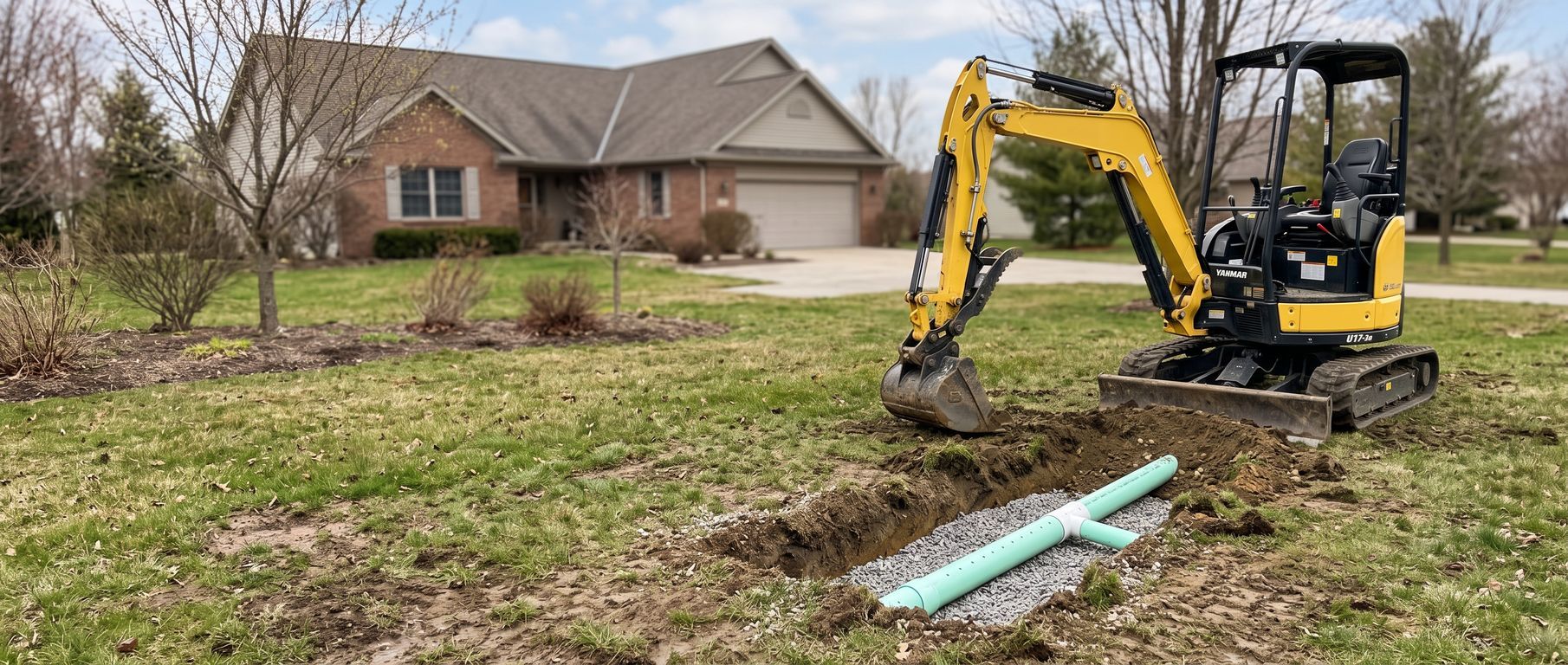
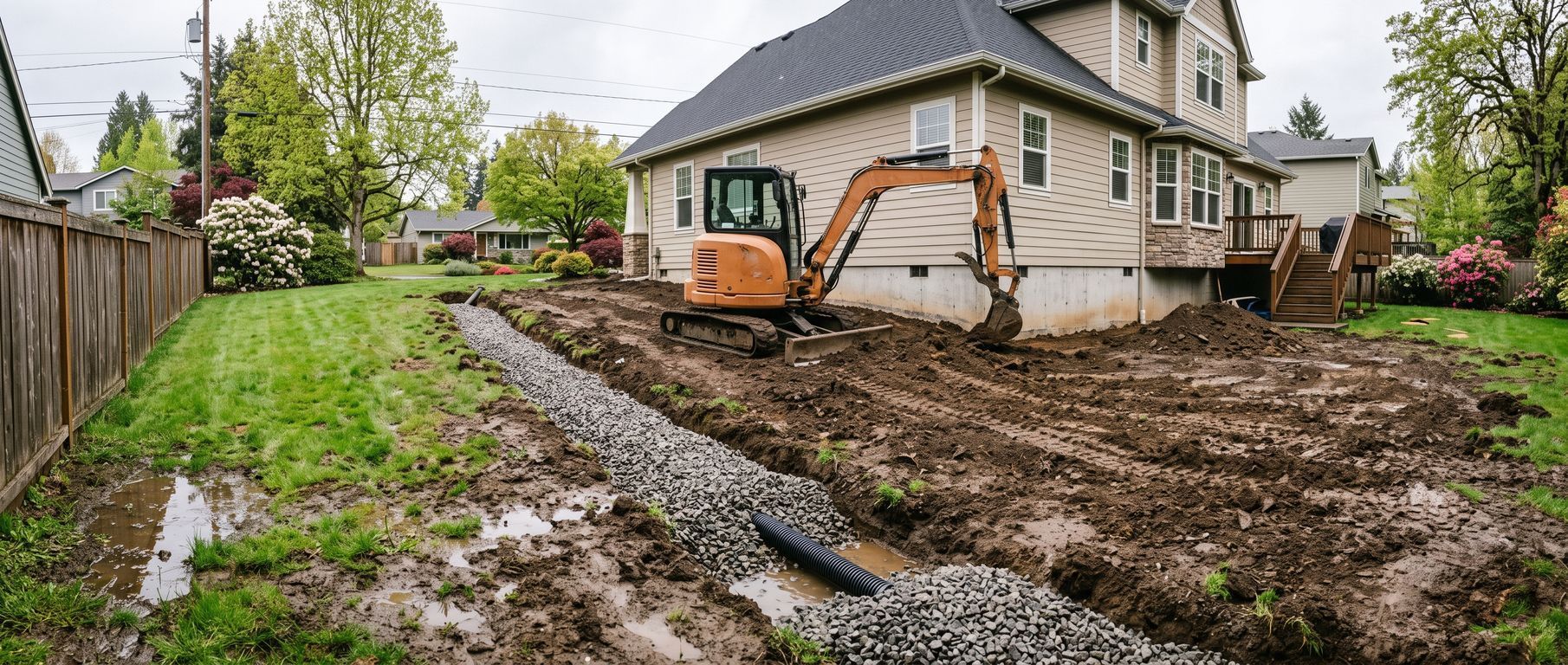
If you’re planning a construction, landscaping, or development project, you might be wondering if hiring a professional excavation company is worth it. At Precision Dig Excavation, we know that excavation is one of the most critical steps in preparing a site for any building or development work. Whether you’re digging for a foundation, creating trenches for utilities, or reshaping land for landscaping, professional excavation can make all the difference. Here are some key benefits of working with a trusted excavation team.


1. Expertise and Experience

Excavation requires more than just digging—it’s about understanding soil conditions, using the right equipment, and following precise techniques to avoid problems down the road. Professional excavation companies bring years of experience to each project, ensuring that every dig is done correctly and safely. An experienced team understands the unique challenges of different types of soil, terrain, and project requirements. With a professional crew, you can feel confident that the excavation will meet the necessary standards and set a strong foundation for the next phases of your project.


2. Access to Specialized Equipment

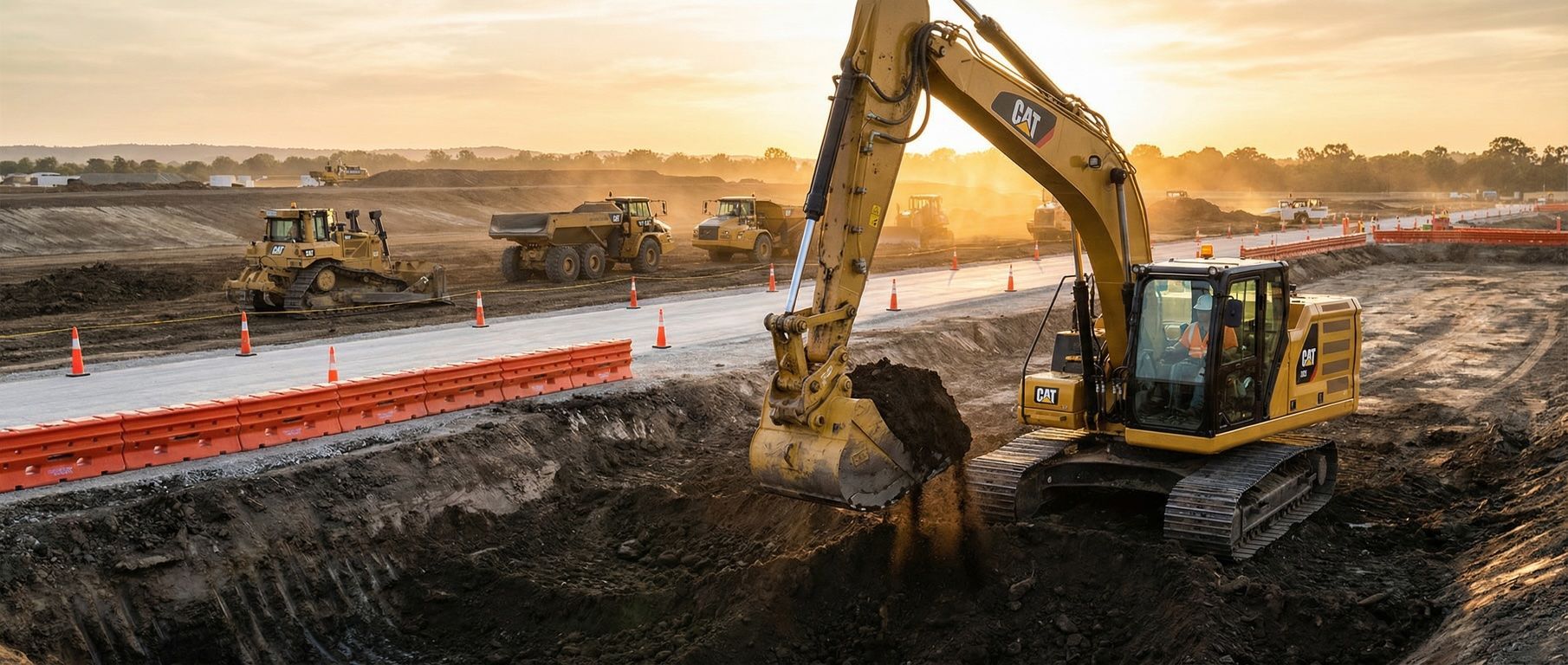
Excavation involves using heavy machinery such as excavators, bulldozers, backhoes, and trenchers. Renting or purchasing this equipment yourself can be very expensive, and operating it requires specialized training. Professional excavation companies have access to all the necessary machinery and tools for each specific task. This not only saves you the hassle and cost of finding equipment but also ensures that the job is done using the best tools for the job. Plus, trained operators know how to use this equipment safely and efficiently, reducing the risk of accidents and damage.


3. Safety First

Excavation work can be hazardous, especially if it involves deep digging, unstable soil, or working around underground utilities. Professional excavation companies make safety a top priority. At Precision Dig Excavation, we carefully assess each site for potential risks, including cave-ins, flooding, and hazardous atmospheres. We also follow strict safety protocols, from proper use of protective equipment to ensuring clear communication among team members. By hiring professionals, you minimize the risk of accidents, injuries, or property damage, and you can rest easy knowing the job is being handled by trained experts.


4. Time and Cost Efficiency

When you hire a professional excavation team, you’re investing in a streamlined, efficient process. Professionals know how to complete the job on time, within budget, and with minimal delays. Attempting excavation on your own can lead to unexpected issues, costly errors, or longer project times. For instance, if you hit an underground utility line or misjudge soil stability, the project could be delayed significantly. With a professional team, you’ll avoid these setbacks. We’re experienced in handling challenges quickly and keeping the project on schedule, saving you both time and money in the long run.


5. Proper Site Preparation and Grading

One of the main goals of excavation is to prepare a stable, even surface for building. This means removing rocks, debris, and any obstacles that could interfere with construction. Professional excavation also includes grading, which involves leveling the land to control water flow and prevent future issues with erosion or flooding. Grading is a critical part of making sure your project has a solid foundation and that water is properly directed away from buildings or structures. With professional grading and site preparation, you’re set up for long-term success and reduced maintenance needs.


6. Legal Compliance and Permits

Excavation projects often require permits and must comply with local regulations and codes. For example, digging near public utilities, waterways, or property lines may require special permits. A professional excavation company understands these legal requirements and can handle the permitting process on your behalf. This is crucial because non-compliance can result in hefty fines, delays, or even legal action. Working with an experienced company ensures that everything is done by the book, so you don’t have to worry about the paperwork or risk violations.


7. Environmental Responsibility

Professional excavation companies take environmental concerns seriously. At Precision Dig Excavation, we carefully plan each project to minimize soil erosion, protect local wildlife, and preserve natural water flow. For projects in sensitive areas, we use specialized techniques to avoid disturbing the environment. We also responsibly handle waste material, ensuring that soil, rocks, and debris are disposed of properly or reused when possible. By choosing a professional team, you’re choosing a company that values environmental stewardship and takes steps to reduce its impact on the surroundings.


8. Stress-Free Project Management

Excavation projects require careful coordination and planning, which can be overwhelming if you’re not familiar with the process. When you work with a professional excavation company, you gain a partner who can manage every aspect of the excavation process. From initial site assessment and planning to equipment setup and safety protocols, a professional team handles it all. This allows you to focus on other aspects of your project while trusting that the excavation is being managed by experts.


Final Thoughts: Why Hire a Professional Excavation Company?

The benefits of hiring a professional excavation company go beyond just digging a hole in the ground. Expertise, access to specialized equipment, adherence to safety and legal standards, and a commitment to quality all make a significant impact on your project’s success. At Precision Dig Excavation, we pride ourselves on delivering exceptional results for each project we undertake. Whether you’re preparing for a residential build, commercial development, or landscaping project, hiring a professional excavation team ensures that your project begins with a strong, reliable foundation. If you’re ready to start digging, we’re here to help—contact us today to learn more!

You might also like
May 27, 2026
Spring brings a surge of work — and a surge of risk. Crews that have been idle or working reduced hours through winter need a deliberate reset before the pace picks up. At Precision Dig Excavation , pre-season safety training isn't a formality — it's one of the most important days on our calendar. Why Spring Is a High-Risk Period Statistically, workplace injuries spike at the beginning of busy seasons. Crews are rusty, new hires may be onboarding, and the pressure to make up for lost winter revenue can lead to shortcuts. Add in the inherent hazards of excavation — cave-ins, struck-by incidents, utility strikes — and the stakes are as high as they get in construction. Trench and Excavation Safety (OSHA Focus) Trench collapses are among the most deadly hazards in construction. Every crew member who enters or works near a trench or excavation should review: Soil classification — How to identify Type A, B, and C soils and what protective systems each requires. Protective systems — Sloping, shoring, and trench boxes. When each is appropriate and how to install them correctly. Competent person requirements — OSHA mandates that a competent person inspect trenches daily and after any rain event, vibration, or change in conditions. Access and egress — Ladders, ramps, or steps must be within 25 feet of all workers in trenches four feet deep or more. Utility Locate Protocols Every spring project should begin with a call to 811 (or your state's one-call system). But training should go beyond just "call before you dig." Review how to read locate markings and color codes. Discuss tolerance zones and hand-digging requirements near marked utilities. Emphasize that private utilities (irrigation, propane, septic lines) are NOT marked by 811 — the property owner and contractor share responsibility for those. Equipment Operation Refreshers Operators who haven't been in a cab for weeks or months benefit from a structured refresher. Walk-around inspection procedures. Control familiarization, especially if operators are rotating between different machine brands or models. Blind-spot awareness and spotter communication protocols. Load chart review for cranes or machines used for lifting. Personal Protective Equipment (PPE) Inspect and replace worn-out PPE before the season starts. Review requirements for: Hard hats (check for cracks, sun damage, and expired suspension systems). High-visibility vests or clothing. Hearing protection near heavy equipment. Eye protection during demolition, concrete cutting, or dusty conditions. Gloves appropriate to the task. Emergency Action Plans Every crew should know what to do if something goes wrong. Who calls 911 and from where? Where is the nearest hospital or urgent care? Where are fire extinguishers, first-aid kits, and AEDs located? What's the plan for a trench rescue? (Hint: you do NOT jump into a collapsed trench to help — you call for rescue and begin digging from the outside.) Document Everything Hold a formal safety kickoff meeting. Use sign-in sheets. Keep records of all training topics covered, attendees, and dates. This documentation is essential for OSHA compliance and protects you in the event of an incident or audit. The bottom line: Thirty minutes to an hour of focused safety training before the first dig of the season can prevent injuries, save lives, and protect your business. It's the most productive time you'll spend all spring.
May 6, 2026
Mud is the defining challenge of spring excavation. It slows production, damages equipment, creates safety hazards, and can compromise the quality of finished work. At Precision Dig Excavation , we don't just accept mud — we manage it. Understanding the Problem Wet soil behaves differently than dry soil in almost every way that matters to excavation. It's heavier, stickier, less stable, and harder to compact. Equipment sinks, trenches collapse, spoil piles turn into slurry, and haul roads become impassable. Left unmanaged, a muddy jobsite can turn a three-day project into a two-week ordeal. Site Access and Stabilization The first priority is maintaining access to and across the site. Timber mats or composite mats distribute equipment weight across a larger area and prevent machines from sinking. They're an added cost but can pay for themselves in saved time and reduced site damage. Geotextile fabric laid beneath gravel access roads keeps stone from migrating into soft subsoil. Gravel pads at entry points give trucks and equipment a stable surface to load and unload. Designated haul routes prevent the entire site from getting chewed up. Restrict traffic to specific paths and reinforce them as needed. Drainage Control Water management is the single most effective thing you can do on a muddy site. Diversion ditches route surface water away from the active work area. Sump pits with pumps remove standing water from excavations. Proper grading of temporary surfaces directs water toward designated collection points rather than letting it pool. Silt fencing and sediment controls aren't just good practice — they're typically required by your erosion control permit. Equipment Selection Not all machines handle mud equally. Wide-track or low-ground-pressure (LGP) excavators float better on soft ground. Rubber-tracked machines cause less surface damage than steel tracks on finished or semi-finished areas. Articulated dump trucks outperform rigid-frame trucks in soft conditions thanks to better weight distribution and maneuverability. Protecting Work Quality Even with good access and drainage, wet conditions can compromise the work itself. Don't compact wet fill. It may pass a quick visual check but will settle dramatically once it dries. Wait for the right moisture content. Stockpile dry backfill material under tarps so you have usable fill even after a rain event. Test soil before placing structural fill. A simple hand test or proctor test tells you whether conditions are acceptable for compaction. Crew Safety Mud makes everything more dangerous. Slippery surfaces, unstable trench walls, and limited visibility are all heightened risks. - Require proper footwear — steel-toe boots with aggressive tread. - Re-evaluate trench stability after every rain event. - Keep first-aid and spill kits accessible — not buried behind equipment on a soggy staging area. The bottom line: You can't control the weather, but you can control how your site responds to it. A proactive approach to mud management keeps projects on track and protects your reputation for quality work.
April 22, 2026
The body content of your post goes here. To edit this text, click on it and delete this default text and start typing your own or paste your own from a different source.

Book a Service Today