How Early Snow Affects Excavation Planning and Site Access
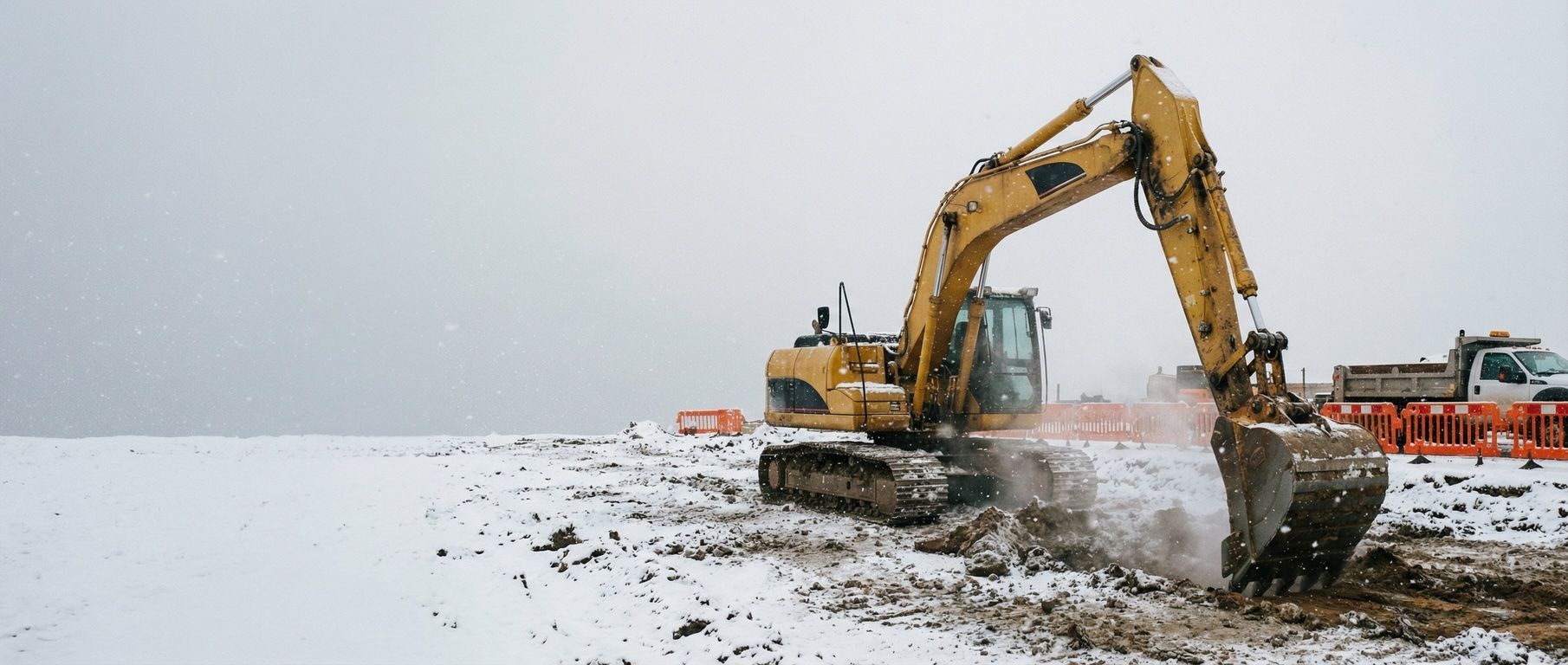
Early snow can bring unique challenges to excavation work, altering the planning process and impacting site access. At Precision Dig Excavation, we understand that preparing for the cold months requires specific strategies to keep projects on track and ensure the safety of everyone on-site. Early snow doesn’t have to mean an end to excavation work, but it does call for adjustments to schedules, equipment, and safety protocols. Here’s how early snowfall affects excavation planning and site access—and what we do to keep projects running smoothly.
1. Site Access Challenges
Snow on the ground can make it difficult to reach the excavation site, especially if the site is located in remote or hard-to-reach areas. Heavy snowfall or early snow accumulation can create obstacles for vehicles and equipment, making it necessary to clear roads and paths before work begins each day. Snow and ice make surfaces slippery, increasing the risk of vehicles getting stuck or sliding, which can delay project timelines.
To tackle these issues, we equip our trucks and equipment with the necessary winter tools, such as snow chains and de-icing materials, to maintain secure footing and access. Regular snow removal and surface maintenance ensure that we can reach the excavation site consistently. By factoring snow removal into our schedule, we help avoid delays and keep the project moving.
2. Soil Condition Changes
One of the biggest impacts of early snow is the way it affects soil conditions. Snow that quickly melts can saturate the soil, creating muddy, unstable ground. This type of soil can be harder to work with, as it may cause machinery to sink or become stuck, leading to a higher risk of equipment damage and safety hazards. Alternatively, when temperatures drop, snow-covered ground may freeze, creating dense, hard-packed soil that is challenging to break through with standard equipment.
Our team prepares for these changing conditions by assessing the soil daily and adjusting our equipment and techniques as necessary. For example, we may use specialized tools like frost buckets or heated hydraulic attachments that make it easier to work with frozen ground. By anticipating these conditions, we ensure that excavation proceeds with minimal interruptions.
3. Additional Equipment Needs
Early snow often requires additional equipment and supplies that aren’t usually necessary in milder seasons. Snow blowers, heaters, and plowing equipment are just a few items we might need to keep the site clear and operational. For projects requiring trenching or deep digging, we use insulation blankets or ground heaters to prevent the soil from freezing overnight, allowing us to resume work efficiently each day. These additional pieces of equipment increase costs but are essential for maintaining productivity and safety in snowy conditions.
Having the right equipment ready is crucial, especially in areas where early snow is common. We carefully plan for these needs in advance, ensuring that our team has access to the tools required to work safely and efficiently. This equipment not only helps with excavation but also allows us to maintain a stable, safe work environment for our crew.
4. Adjusted Safety Measures
Early snow brings additional safety risks that require adjusted protocols. Snow and ice create slippery surfaces, increasing the risk of slips, trips, and falls on-site. Reduced visibility due to snow can also pose challenges, especially when operating heavy machinery. We take extra safety precautions by installing temporary lighting to improve visibility, providing traction aids on walkways, and ensuring all team members wear winter-specific personal protective equipment (PPE) such as insulated gloves, winter boots, and high-visibility jackets.
In addition, we conduct daily safety briefings focused on the specific hazards of working in snowy conditions. Our team is trained to stay vigilant, and we encourage regular communication among crew members to report any potential risks. With these proactive safety measures, we’re able to minimize incidents and maintain a secure work environment for everyone involved.
5. Scheduling Adjustments
When early snow arrives, our planning team may need to adjust project timelines. Snow and ice can slow down excavation work, especially if ground conditions are unstable or if heavy snowfall makes site access difficult. We incorporate flexibility into our project schedules during the colder months, allowing extra time for snow clearing, equipment adjustments, and other winter-specific needs.
Communication with clients becomes even more essential during these months. We keep clients updated on progress and any necessary adjustments, ensuring they understand how early snowfall may impact their project timeline. By being transparent and realistic about deadlines, we maintain trust and deliver projects on time, even when the weather throws in some surprises.
6. Environmental Considerations
Snow brings additional environmental considerations that we factor into excavation planning. Melting snow can lead to water runoff, which may cause soil erosion or water accumulation at the excavation site. To prevent erosion, we install temporary barriers or grading techniques that channel the water away from the site. Water pumps may be used if there is excess water accumulation, ensuring the work area remains dry and manageable.
Protecting the environment around the excavation site is a top priority, and we take every measure to prevent contamination or disruption caused by snowmelt. With these practices, we can continue working even as conditions shift, while still respecting the surrounding ecosystem.
Conclusion
At Precision Dig Excavation, we understand that early snow can complicate excavation planning and site access, but we have the tools, knowledge, and experience to adapt. By carefully preparing for changing conditions, investing in the right equipment, and prioritizing safety, we ensure that projects stay on track even in snowy weather. If you’re planning an excavation project and are concerned about seasonal impacts, reach out to us—we’re here to help keep your project moving, no matter the forecast.
You might also like