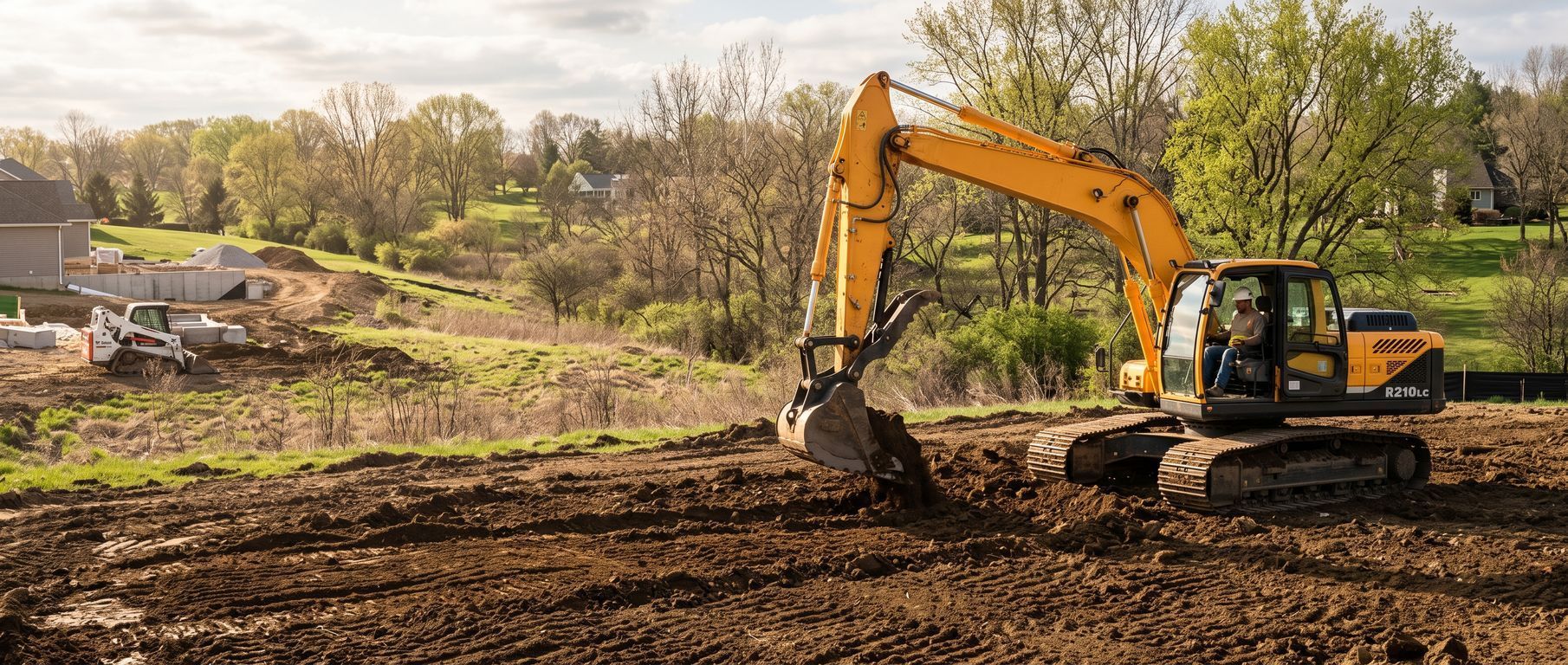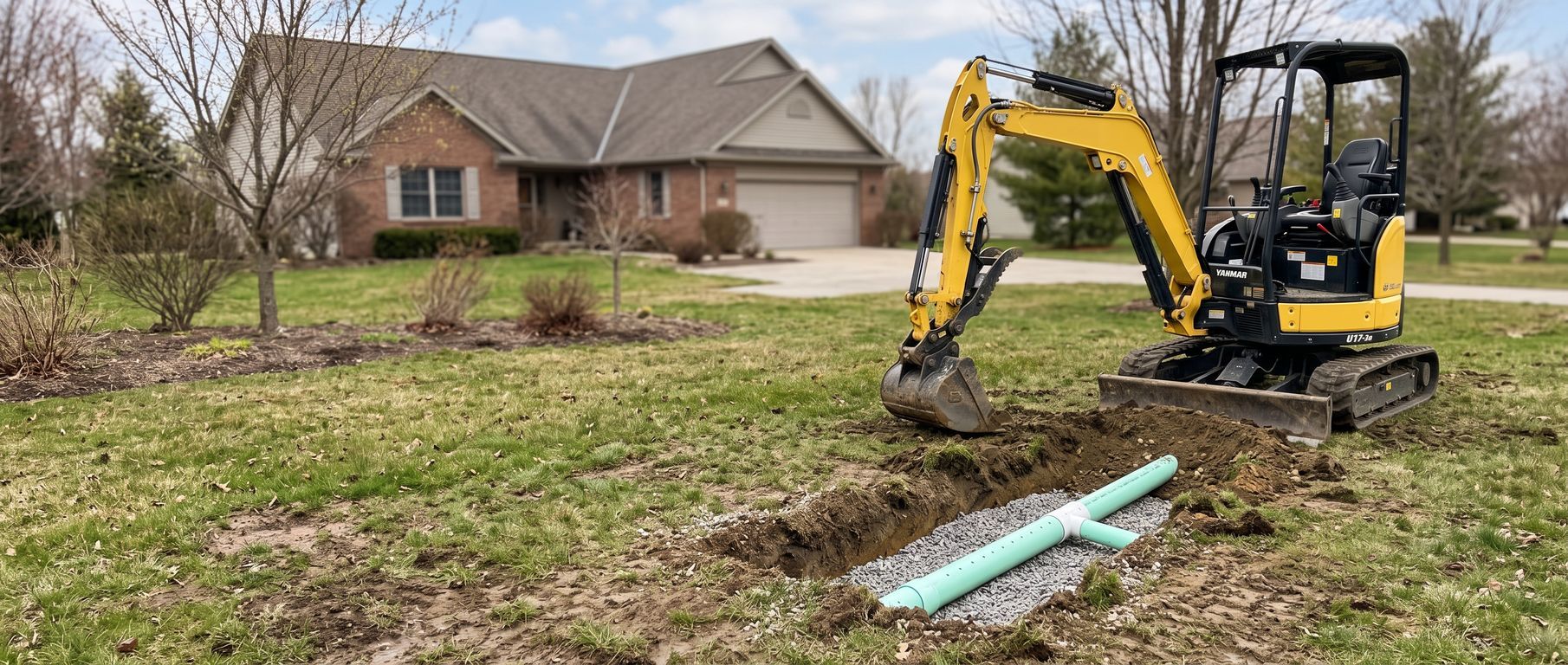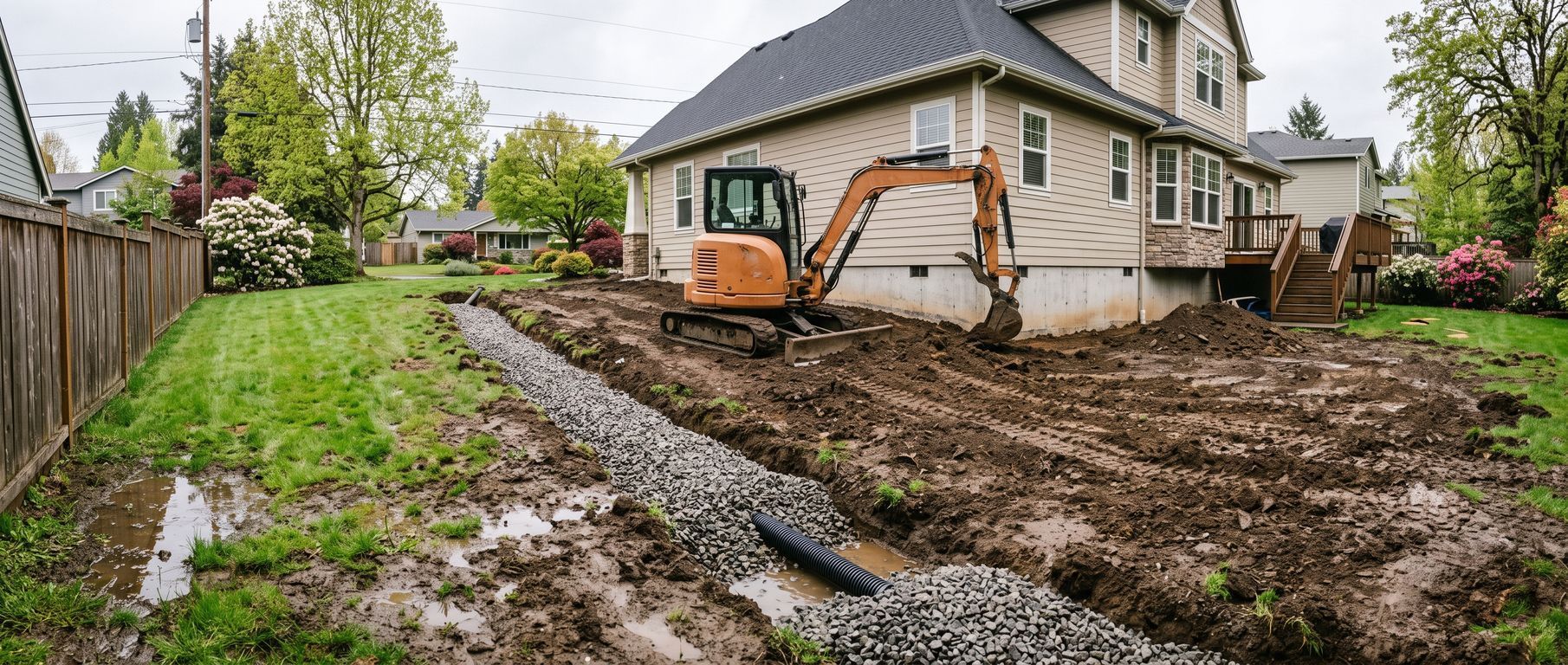
What to Know Before You Start a Spring Excavation Project
Spring is the most popular time of year to break ground — whether you're building a home, adding a garage, installing a septic system, or regrading your property. But jumping in without preparation leads to delays, surprise costs, and frustration. The team at Precision Dig Excavation put together this guide to help every property owner understand what's involved before the first bucket hits the dirt.
Start with a Plan, Not a Phone Call
Before you contact an excavation contractor, have a clear picture of what you want to accomplish. The more detail you can provide, the more accurate your estimate will be. Helpful information includes:
- A survey or plot plan of your property.
- The scope of work (foundation dig, land clearing, driveway, drainage, etc.).
- Any known issues (high water table, rock, buried debris, steep slopes).
- Your desired timeline and any hard deadlines (concrete pour date, building permit expiration, etc.).
Permitting Comes First
Most excavation work requires permits — and permits take time. Depending on your municipality, you may need:
- A building permit for structural excavation.
- A grading permit for significant earth-moving.
- An erosion and sediment control plan approved by your local conservation district.
- A septic permit from the health department for any septic-related work.
Your contractor can often guide you through the permitting process, but ultimately the property owner is responsible for having permits in place before work begins.
Call 811 — It's the Law
Before any digging happens, underground utilities must be marked. Call 811 at least a few business days before your planned start date (timing varies by state). This free service sends locators to mark public water, sewer, gas, electric, and telecom lines on your property.
Important note: 811 does not mark private utilities like well lines, propane lines, irrigation systems, or private sewer laterals. Discuss these with your contractor so they can take precautions.
Get Multiple Estimates — But Compare Apples to Apples
It's wise to get two or three estimates, but make sure each contractor is bidding on the same scope of work. A lowball number often means something is being left out — hauling spoils, importing fill, erosion controls, or final grading. Ask what's included and what's not.
Understand How Weather Affects the Schedule
Spring weather is unpredictable. Rain delays are common and unavoidable. A good contractor builds weather contingency into the schedule, but you should be prepared for flexibility. Excavation work done in poor conditions leads to poor results — patience pays off.
Access and Site Conditions Matter
Think about how equipment will get to the work area. Excavators, trucks, and loaders need a clear path, and they're heavy enough to damage driveways, landscaping, and underground sprinkler systems. Discuss access routes with your contractor upfront and remove or protect anything valuable in the path.
Ask About Cleanup and Final Grading
Some contractors include final grading and site cleanup in their bid; others don't. Make sure you know what the site will look like when the excavation work is done. Will it be rough-graded and ready for the next trade? Or will you need a separate contractor to finish the surface?
The bottom line: A little preparation before the project starts saves a lot of headaches once the machines arrive. The best excavation projects are the ones where the property owner and contractor are aligned from the very first conversation. If you have questions about your upcoming project, reach out to Precision Dig Excavation — we're happy to walk you through it.
You might also like