What Homeowners Should Know Before Excavating on Their Property
November 15, 2024

Excavation projects can be exciting for homeowners, as they often mark the start of new construction, landscaping, or utility installations that will transform your property. However, excavation involves more than just digging into the ground—it requires careful planning, specialized equipment, and adherence to safety regulations to ensure success. At Precision Dig Excavation, we understand how complex excavation can be and are here to guide you through the process. Here’s what every homeowner should know before starting an excavation project on their property.


Understand the Purpose of the Excavation

Before beginning, it’s essential to clearly define the purpose of the excavation. Are you installing a new foundation for an addition to your home? Preparing a site for a pool or patio? Installing underground utilities or drainage systems? Each type of excavation project comes with unique requirements, from the depth and size of the excavation to the type of equipment needed. Having a clear goal allows excavation professionals to design the right approach and estimate the scope of the work accurately.


Check Local Regulations and Permits

Excavation isn’t as simple as starting a project in your backyard. Most municipalities have specific regulations that govern excavation to ensure safety and prevent damage to underground utilities. Homeowners typically need to obtain permits before work begins. Failing to secure the proper permits can lead to costly fines and project delays.


At Precision Dig Excavation, we help homeowners navigate the permitting process, ensuring compliance with local regulations. We also confirm property lines and zoning restrictions to avoid conflicts with neighbors or legal issues.


Locate Underground Utilities

One of the most critical steps before any excavation project is identifying and marking underground utilities. Gas lines, water pipes, electrical cables, and sewer systems can run beneath your property, and accidental damage to these can be dangerous and expensive to repair.


In most areas, calling a utility locating service, such as 811 in the United States, is mandatory before digging begins. This free service sends professionals to mark the location of underground utilities, giving your excavation team a clear picture of where it’s safe to dig. Our team at Precision Dig Excavation always includes this step in our process to ensure safety and avoid disruptions.


Assess Soil Conditions

Not all soil is created equal. The type, stability, and moisture content of the soil on your property will impact excavation plans. For instance, sandy soil requires different techniques and equipment than clay soil, while areas with rocky or compacted ground might need specialized machinery to break through.


Soil stability is also a key factor in preventing cave-ins, which can pose serious safety risks. Our experienced team assesses soil conditions before beginning any excavation, ensuring that the site is prepared for safe and efficient digging.


Plan for Erosion and Drainage

Excavating the land can disrupt natural drainage patterns and increase the risk of erosion if not managed correctly. Homeowners should consider how the excavation will affect water flow on their property, especially during heavy rains or snowmelt.


At Precision Dig Excavation, we take steps to prevent erosion and maintain proper drainage, such as installing silt fences, redirecting water flow, or regrading the land. These measures protect both your property and the surrounding environment, ensuring a stable foundation for your project.


Consider the Impact on Your Landscaping

Excavation can significantly alter the appearance of your yard, and homeowners should plan for potential disruptions to landscaping. Trees, shrubs, and lawns may need to be removed or relocated, depending on the scope of the project. Discuss these considerations with your excavation team to develop a plan for preserving or restoring your landscaping.


Additionally, you’ll want to account for the removal of excavated materials, such as soil and rocks, which can accumulate quickly during the process. Our team ensures proper disposal or repurposing of these materials, minimizing the impact on your property.


Factor in Time and Budget

Excavation is often one of the first steps in a larger project, so it’s crucial to allocate sufficient time and budget for the work. Factors like soil conditions, weather, and the complexity of the excavation can influence both timelines and costs.


By working with a professional excavation company like ours, you’ll receive a detailed estimate and timeline for your project, giving you a clear understanding of what to expect. Our transparent communication and expertise help prevent surprises, ensuring your project stays on track.


Hire Professionals for Safe and Efficient Work

While some homeowners may consider DIY excavation for small projects, hiring professionals is the safest and most efficient way to handle excavation on your property. Excavation requires specialized equipment, knowledge of safety protocols, and experience working with different types of terrain and projects.


At Precision Dig Excavation, we bring years of experience and state-of-the-art equipment to every job. Our team prioritizes safety, efficiency, and precision, ensuring that your excavation project is completed to the highest standards.


Conclusion

Excavation is a crucial step in many home improvement projects, but it requires careful planning and professional expertise to do it right. From securing permits and locating utilities to managing soil stability and drainage, there are many factors to consider before breaking ground.


By partnering with a trusted excavation company like Precision Dig Excavation, you’ll have peace of mind knowing that every aspect of your project is handled safely and efficiently. If you’re considering an excavation project on your property, contact us today to discuss your needs and take the first step toward making your vision a reality.

You might also like
August 11, 2026
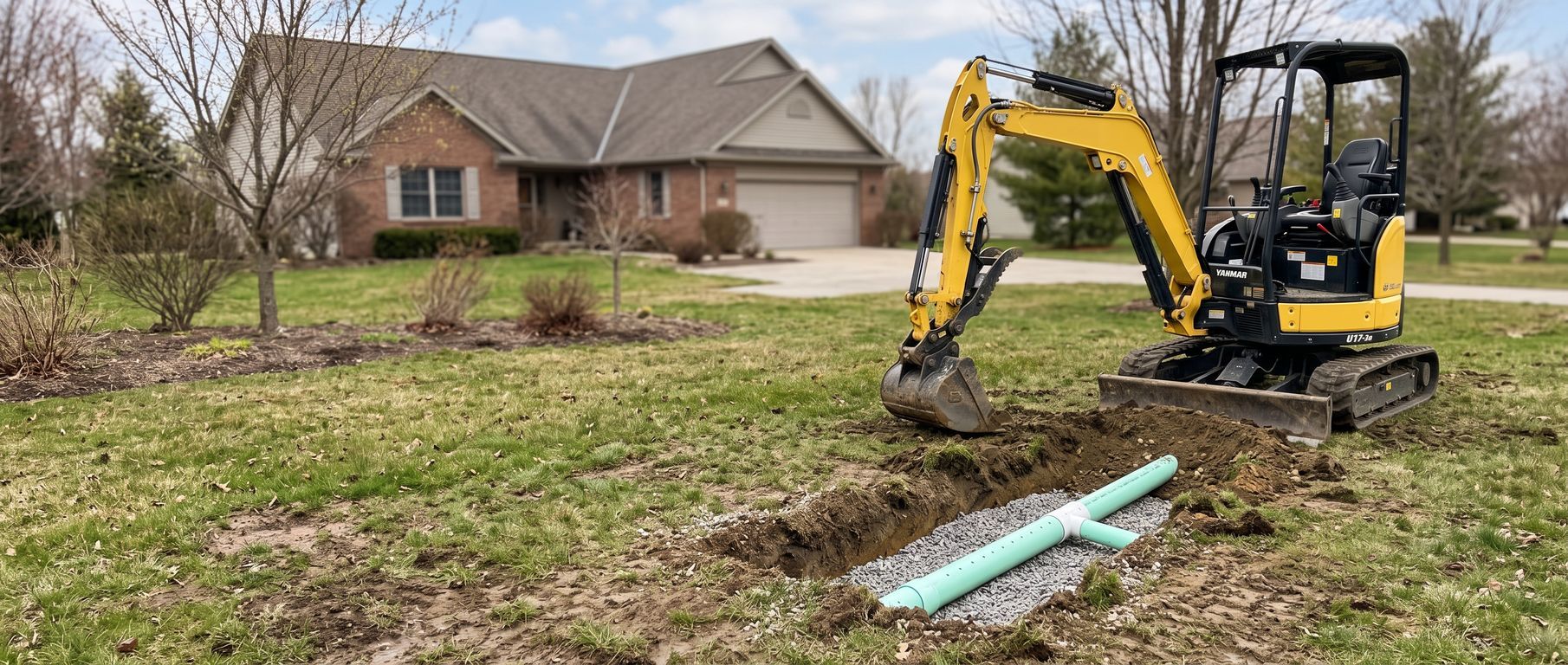
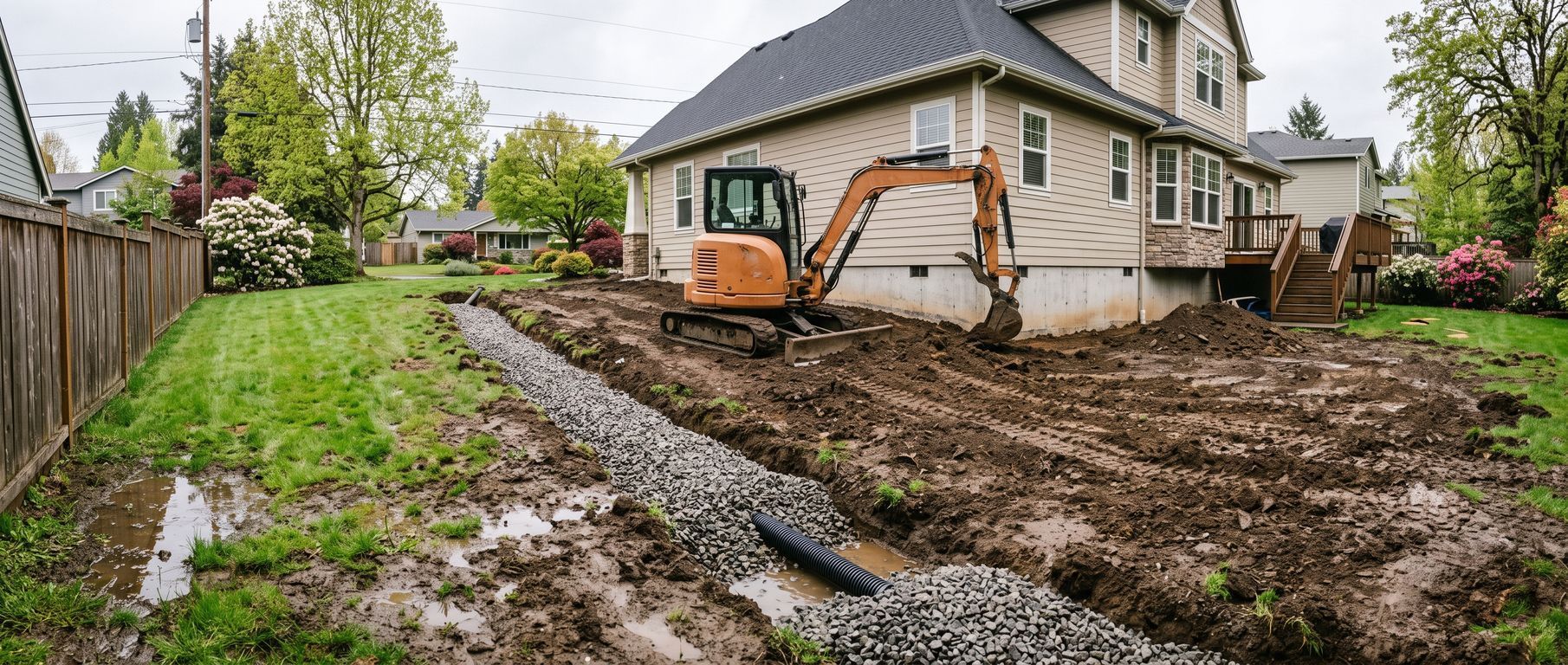
Spring is when water problems reveal themselves. Snowmelt, heavy rains, and saturated ground expose every weakness in your property's drainage — water pooling against foundations, soggy yards, flooded basements, and erosion along slopes. The good news: most of these problems are fixable with proper grading and drainage work. It's one of the most common calls Precision Dig Excavation receives every spring. Why Grading Matters Grading is the slope of the ground around your home or building. When grading is done correctly, water flows away from structures and toward designated drainage areas — swales, ditches, storm drains, or dry wells. When grading is wrong, water flows toward your foundation, and the consequences range from annoying (perpetually wet basement) to catastrophic (structural damage and mold). The general rule of thumb is a minimum of six inches of fall over the first ten feet away from a foundation. Many properties — especially older ones — have settled over time and no longer meet this standard. Common Spring Drainage Problems Negative grading — The ground slopes toward the building instead of away from it, often due to soil settlement or poorly placed landscaping. Downspout discharge too close to the foundation — Gutters collect a huge volume of water. If downspouts dump it right next to the house, you're creating your own flood. Blocked or nonexistent swales — Swales are shallow channels designed to direct surface water. They get filled in over time by landscaping, sod, or settling. High water table — In some areas, the spring water table rises high enough to push water up through basement floors and into crawlspaces. This requires more aggressive solutions. Compacted soil — Heavy clay soil or areas compacted by foot traffic and vehicles don't absorb water well, leading to pooling and runoff. Solutions an Excavation Contractor Can Provide Regrading — Reshaping the ground surface around your home to restore proper slope. This is often the simplest and most cost-effective fix. French drains — A perforated pipe buried in a gravel-filled trench that collects subsurface water and redirects it away from problem areas. Curtain drains — Similar to French drains but designed to intercept groundwater moving laterally through a slope before it reaches your home. Swale construction — Grading shallow channels to direct surface water to appropriate outlets. Dry wells — Underground chambers that collect runoff and allow it to percolate slowly into the soil. Downspout extensions and underground piping — Routing gutter discharge well away from the foundation through buried PVC or corrugated pipe. When to Act If you see water problems in spring, don't wait until fall to fix them. The issue will only worsen as seasons cycle. Spring is actually an excellent time to do drainage work because you can observe the problem in real time and verify that the solution works before the contractor leaves. The bottom line: Water is the number-one enemy of buildings and foundations. A few hours of excavation work to correct grading and drainage can prevent tens of thousands of dollars in water damage. If your yard turns into a lake every spring, give Precision Dig Excavation a call — it's one of the most impactful fixes we do.
August 11, 2026
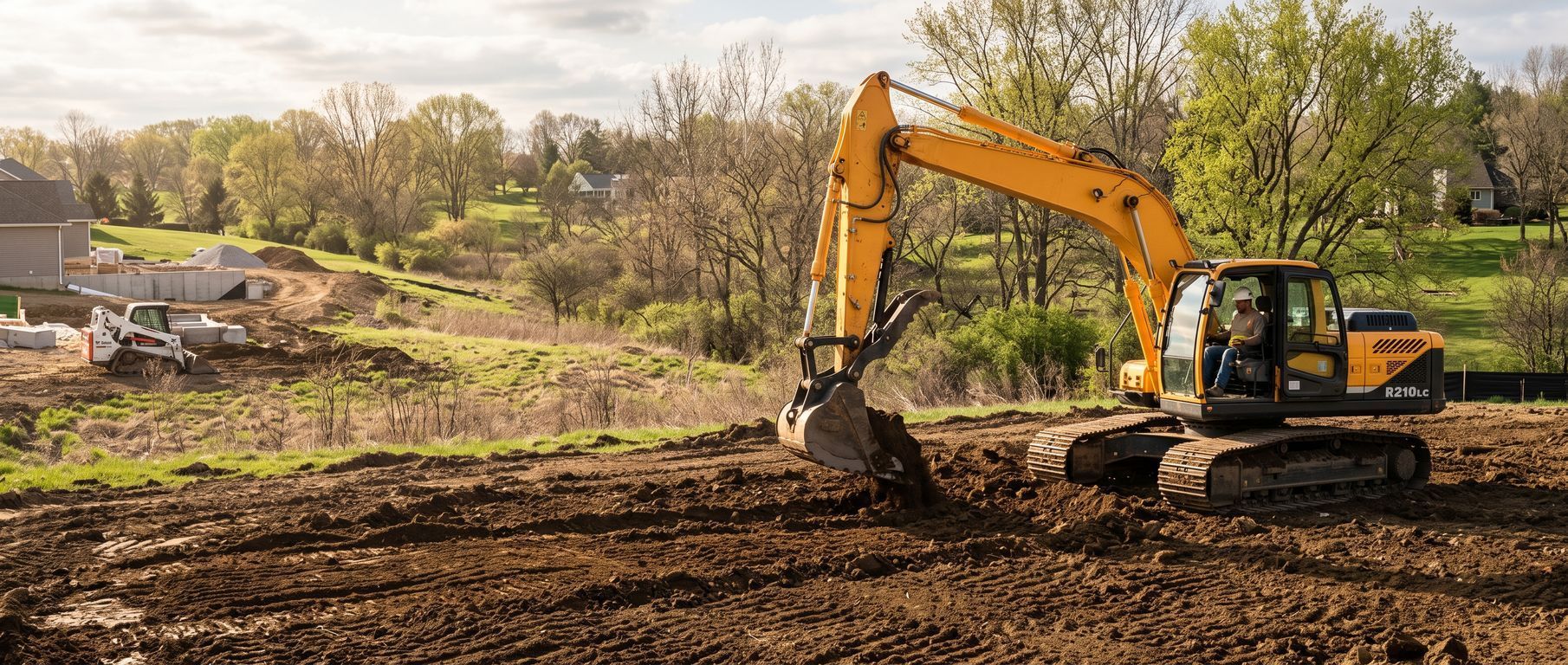
If you're planning to build on raw or overgrown land, spring is the ideal season to clear it. The timing works in your favor from a weather, biological, and scheduling perspective. Here's why — and what the process actually looks like when the Precision Dig Excavation crew shows up. Why Spring Is the Sweet Spot Frozen ground is gone, but the soil is firming up. By mid-to-late spring, most sites have drained enough for equipment access without excessive rutting. Vegetation is visible but not fully grown. You can see what you're dealing with — brush, stumps, saplings — without fighting through a jungle of summer foliage. It sets up your construction timeline. Clearing in spring means you're ready for foundation work in early summer, which is the ideal sequence for most residential and commercial builds. Wildlife and nesting considerations. Depending on your region, early spring (before nesting season peaks) may be the most environmentally responsible time to clear. What Land Clearing Involves Land clearing is more than just knocking down trees. A complete clearing operation typically includes: Tree removal — Felling, bucking, and removing trees from the work area. Marketable timber may be separated and sold; the rest is chipped, burned (where permitted), or hauled away. Brush and undergrowth removal — Mowers, mulchers, or manual clearing depending on density and terrain. Stump removal — Stumps are either ground in place or excavated entirely, depending on what's being built on the site. Topsoil stripping — Organic topsoil is typically stripped and stockpiled for later use in final grading and landscaping. Grubbing — Removing root systems, buried organic material, and debris below grade. This step is critical for any area that will support a structure or paved surface. Rough grading — Shaping the site to approximate final grade in preparation for foundation work, utilities, or roadways. Permits and Regulations Before you clear a single tree, check with your local municipality. Many areas have tree preservation ordinances, wetland setback requirements, and erosion control mandates. You may also need a burn permit if debris will be disposed of on-site. Your excavation contractor should be familiar with local regulations and can help navigate the permitting process. Choosing the Right Contractor Not all excavation companies do land clearing, and not all land clearing crews do excavation. Ideally, you want a contractor who can handle both — clearing the site and then performing the subsequent earthwork. This eliminates coordination headaches and usually costs less than hiring two separate companies. Ask about: Equipment — Do they have forestry mulchers, grinders, and appropriately sized excavators for your lot? Disposal — How will they handle debris? On-site burning, chipping, or hauling? Topsoil management — Will they strip, stockpile, and respread topsoil?  Experience — Have they cleared lots similar in size, terrain, and vegetation to yours? The bottom line: Clearing your lot in spring puts you ahead of the curve for building season. It's one of those "get it done now, thank yourself later" moves that pays dividends for the rest of the project.
June 24, 2026
Spring is the most popular time of year to break ground — whether you're building a home, adding a garage, installing a septic system, or regrading your property. But jumping in without preparation leads to delays, surprise costs, and frustration. The team at Precision Dig Excavation put together this guide to help every property owner understand what's involved before the first bucket hits the dirt. Start with a Plan, Not a Phone Call Before you contact an excavation contractor, have a clear picture of what you want to accomplish. The more detail you can provide, the more accurate your estimate will be. Helpful information includes: - A survey or plot plan of your property. - The scope of work (foundation dig, land clearing, driveway, drainage, etc.). - Any known issues (high water table, rock, buried debris, steep slopes). - Your desired timeline and any hard deadlines (concrete pour date, building permit expiration, etc.). Permitting Comes First Most excavation work requires permits — and permits take time. Depending on your municipality, you may need: A building permit for structural excavation. A grading permit for significant earth-moving. An erosion and sediment control plan approved by your local conservation district. A septic permit from the health department for any septic-related work. Your contractor can often guide you through the permitting process, but ultimately the property owner is responsible for having permits in place before work begins. Call 811 — It's the Law Before any digging happens, underground utilities must be marked. Call 811 at least a few business days before your planned start date (timing varies by state). This free service sends locators to mark public water, sewer, gas, electric, and telecom lines on your property. Important note: 811 does not mark private utilities like well lines, propane lines, irrigation systems, or private sewer laterals. Discuss these with your contractor so they can take precautions. Get Multiple Estimates — But Compare Apples to Apples It's wise to get two or three estimates, but make sure each contractor is bidding on the same scope of work. A lowball number often means something is being left out — hauling spoils, importing fill, erosion controls, or final grading. Ask what's included and what's not. Understand How Weather Affects the Schedule Spring weather is unpredictable. Rain delays are common and unavoidable. A good contractor builds weather contingency into the schedule, but you should be prepared for flexibility. Excavation work done in poor conditions leads to poor results — patience pays off. Access and Site Conditions Matter Think about how equipment will get to the work area. Excavators, trucks, and loaders need a clear path, and they're heavy enough to damage driveways, landscaping, and underground sprinkler systems. Discuss access routes with your contractor upfront and remove or protect anything valuable in the path. Ask About Cleanup and Final Grading Some contractors include final grading and site cleanup in their bid; others don't. Make sure you know what the site will look like when the excavation work is done. Will it be rough-graded and ready for the next trade? Or will you need a separate contractor to finish the surface? The bottom line: A little preparation before the project starts saves a lot of headaches once the machines arrive. The best excavation projects are the ones where the property owner and contractor are aligned from the very first conversation. If you have questions about your upcoming project, reach out to Precision Dig Excavation — we're happy to walk you through it.

Book a Service Today