Excavating: Tips from Your Trusted Excavation Team
October 19, 2024

At Precision Dig Excavation, safety is our number one priority. Whether we’re digging for a new building foundation or preparing a site for utilities, there’s always a plan to keep everyone safe. If you’re starting a project that involves digging or excavation, here are some important tips to ensure everything goes smoothly and safely.


1. Call Before You Dig

Before we even think about breaking ground, we always make one critical phone call: to the local utility locator service. In the U.S., that’s dialing 811.

  • Why it’s important: There are underground pipes and cables—gas lines, water mains, electrical wires—that could be just below the surface. Hitting one of these could cause major damage or lead to serious accidents.
  • Our Tip: Always call at least 2-3 days before your dig. A professional will come out, mark the location of any buried utilities, and save you from dangerous surprises.


2. Inspect the Site for Hazards

Before any digging starts, we walk the site to look for any obvious hazards or potential dangers.

  • Why it’s important: Hazards like soft or unstable ground, steep slopes, or hidden debris could cause accidents. Even overhanging branches or nearby structures need to be considered.
  • Our Tip: Take a careful look at your site and note any risks. If something looks unsafe, address it before moving forward. Sometimes, small adjustments can make a big difference.


3. Use the Right Tools for the Job

Not all digging projects are the same. Small jobs might need a shovel, but larger projects require specialized machinery like excavators or backhoes.

  • Why it’s important: The right tools not only make the job faster but also safer. Trying to dig deep trenches by hand or using the wrong equipment could lead to accidents or structural instability.
  • Our Tip: Make sure your tools and equipment are suited for the job. If you’re using machinery, always inspect it for maintenance issues before starting work, and if you’re unsure how to operate it, don’t hesitate to get proper training.


4. Watch for Cave-Ins

One of the biggest dangers during excavation is the risk of the ground collapsing, especially when digging trenches.

  • Why it’s important: A trench collapse can happen quickly and without warning, trapping workers and causing serious injuries.
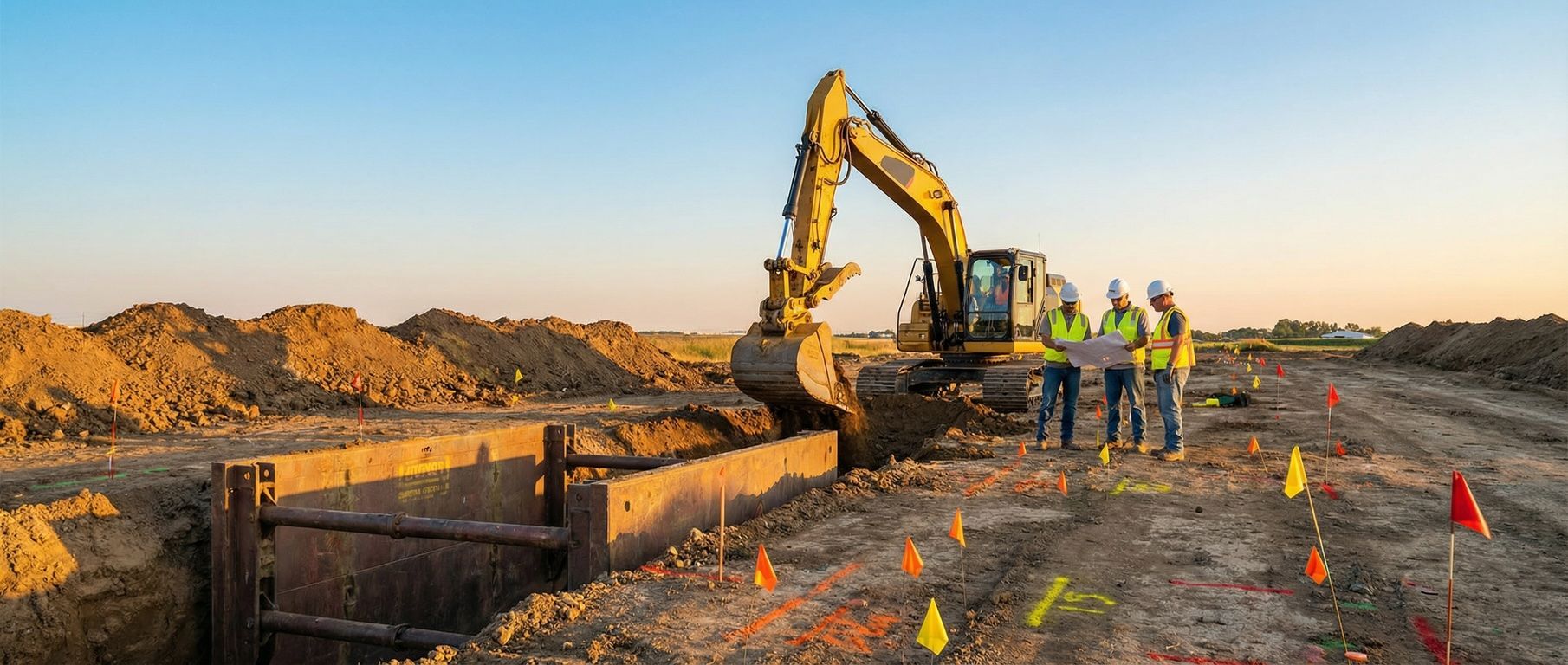
  • Our Tip: If a trench is deeper than 5 feet, make sure to use protective systems like trench boxes or sloping to prevent collapses. Also, never work alone in a trench—always have someone nearby in case of an emergency.


5. Pay Attention to Weather Conditions

Weather plays a big role in excavation safety. Heavy rain, snow, or even extreme heat can change the conditions on-site.

  • Why it’s important: Rain can make the ground slippery and unstable, while snow and ice can create hidden dangers. Heat can lead to dehydration and heatstroke for workers.
  • Our Tip: Check the weather forecast regularly and be prepared to adjust your plans. It’s always better to wait for a safer time than to rush and risk accidents.


6. Keep a Safe Distance from Machinery

Excavation sites are often busy with heavy machinery moving around. Staying aware of your surroundings is crucial for staying safe.

  • Why it’s important: Large equipment like excavators and bulldozers have blind spots, and operators may not see workers or bystanders nearby.
  • Our Tip: Set up clear safety zones around operating machinery, and use hand signals or radios to communicate with the machine operators. Always assume the operator cannot see you unless you make direct contact.


7. Manage Material Piles Carefully

When dirt or materials are excavated, they need to be stored somewhere, but where you pile them matters.

  • Why it’s important: Storing piles of dirt or debris too close to the edge of a trench or excavation site adds weight and increases the risk of collapse.
  • Our Tip: Always keep material piles at least a few feet away from the edge of trenches or pits to reduce the chance of cave-ins. Spread out piles if necessary to distribute weight.


8. Stay Informed on Local Safety Regulations

Excavation rules and regulations exist to keep workers and the public safe. We make sure to stay up to date on local laws and safety requirements.

  • Why it’s important: Failing to follow regulations can lead to accidents, fines, or delays in your project.
  • Our Tip: Familiarize yourself with your area's safety regulations, such as OSHA (Occupational Safety and Health Administration) guidelines in the U.S. These rules are there to protect you, so make sure to follow them closely.


9. Have an Emergency Plan

Even with all precautions, accidents can happen. That’s why it’s critical to have an emergency plan in place.

  • Why it’s important: Being prepared to handle emergencies like cave-ins, equipment failure, or utility strikes can save lives and prevent further harm.
  • Our Tip: Make sure your team knows the plan, including who to contact and where first aid kits or safety equipment are located. Time is crucial in emergencies, so being prepared is essential.


10. Communicate Clearly

Good communication is at the heart of a safe excavation project. Every worker on-site needs to know the plan and stay in the loop.

  • Why it’s important: Miscommunication or unclear instructions can lead to mistakes, equipment accidents, or injury.
  • Our Tip: Hold regular safety briefings and use radios or hand signals to maintain constant communication with everyone on-site. This keeps the team coordinated and aware of any changes or hazards.


Final Word: Safety First, Always

Excavation work can be complex, but with the right safety measures, it doesn’t have to be dangerous. At Precision Dig Excavation, we’re committed to making every project as safe as possible. By planning ahead, using the right equipment, and following these safety tips, you can dig with confidence—no matter the size of your project!

You might also like
November 15, 2024
Excavation projects can be exciting for homeowners, as they often mark the start of new construction, landscaping, or utility installations that will transform your property. However, excavation involves more than just digging into the ground—it requires careful planning, specialized equipment, and adherence to safety regulations to ensure success. At Precision Dig Excavation, we understand how complex excavation can be and are here to guide you through the process. Here’s what every homeowner should know before starting an excavation project on their property. Understand the Purpose of the Excavation Before beginning, it’s essential to clearly define the purpose of the excavation. Are you installing a new foundation for an addition to your home? Preparing a site for a pool or patio? Installing underground utilities or drainage systems? Each type of excavation project comes with unique requirements, from the depth and size of the excavation to the type of equipment needed. Having a clear goal allows excavation professionals to design the right approach and estimate the scope of the work accurately. Check Local Regulations and Permits Excavation isn’t as simple as starting a project in your backyard. Most municipalities have specific regulations that govern excavation to ensure safety and prevent damage to underground utilities. Homeowners typically need to obtain permits before work begins. Failing to secure the proper permits can lead to costly fines and project delays. At Precision Dig Excavation, we help homeowners navigate the permitting process, ensuring compliance with local regulations. We also confirm property lines and zoning restrictions to avoid conflicts with neighbors or legal issues. Locate Underground Utilities One of the most critical steps before any excavation project is identifying and marking underground utilities. Gas lines, water pipes, electrical cables, and sewer systems can run beneath your property, and accidental damage to these can be dangerous and expensive to repair. In most areas, calling a utility locating service, such as 811 in the United States, is mandatory before digging begins. This free service sends professionals to mark the location of underground utilities, giving your excavation team a clear picture of where it’s safe to dig. Our team at Precision Dig Excavation always includes this step in our process to ensure safety and avoid disruptions. Assess Soil Conditions Not all soil is created equal. The type, stability, and moisture content of the soil on your property will impact excavation plans. For instance, sandy soil requires different techniques and equipment than clay soil, while areas with rocky or compacted ground might need specialized machinery to break through. Soil stability is also a key factor in preventing cave-ins, which can pose serious safety risks. Our experienced team assesses soil conditions before beginning any excavation, ensuring that the site is prepared for safe and efficient digging. Plan for Erosion and Drainage Excavating the land can disrupt natural drainage patterns and increase the risk of erosion if not managed correctly. Homeowners should consider how the excavation will affect water flow on their property, especially during heavy rains or snowmelt. At Precision Dig Excavation, we take steps to prevent erosion and maintain proper drainage, such as installing silt fences, redirecting water flow, or regrading the land. These measures protect both your property and the surrounding environment, ensuring a stable foundation for your project. Consider the Impact on Your Landscaping Excavation can significantly alter the appearance of your yard, and homeowners should plan for potential disruptions to landscaping. Trees, shrubs, and lawns may need to be removed or relocated, depending on the scope of the project. Discuss these considerations with your excavation team to develop a plan for preserving or restoring your landscaping. Additionally, you’ll want to account for the removal of excavated materials, such as soil and rocks, which can accumulate quickly during the process. Our team ensures proper disposal or repurposing of these materials, minimizing the impact on your property. Factor in Time and Budget Excavation is often one of the first steps in a larger project, so it’s crucial to allocate sufficient time and budget for the work. Factors like soil conditions, weather, and the complexity of the excavation can influence both timelines and costs. By working with a professional excavation company like ours, you’ll receive a detailed estimate and timeline for your project, giving you a clear understanding of what to expect. Our transparent communication and expertise help prevent surprises, ensuring your project stays on track. Hire Professionals for Safe and Efficient Work While some homeowners may consider DIY excavation for small projects, hiring professionals is the safest and most efficient way to handle excavation on your property. Excavation requires specialized equipment, knowledge of safety protocols, and experience working with different types of terrain and projects. At Precision Dig Excavation, we bring years of experience and state-of-the-art equipment to every job. Our team prioritizes safety, efficiency, and precision, ensuring that your excavation project is completed to the highest standards. Conclusion Excavation is a crucial step in many home improvement projects, but it requires careful planning and professional expertise to do it right. From securing permits and locating utilities to managing soil stability and drainage, there are many factors to consider before breaking ground.  By partnering with a trusted excavation company like Precision Dig Excavation, you’ll have peace of mind knowing that every aspect of your project is handled safely and efficiently. If you’re considering an excavation project on your property, contact us today to discuss your needs and take the first step toward making your vision a reality.
November 9, 2024
Many property owners assume that spring or summer is the only time to begin excavation projects, but fall offers unique benefits that can make it an ideal season to get started. At Precision Dig Excavation, we’ve seen firsthand how fall conditions set projects up for success, from stable ground to increased scheduling flexibility. Whether it’s preparing for new construction, grading land, or installing utilities, here are some compelling reasons to consider starting your excavation project this fall. 1. Stable Ground and Ideal Soil Conditions One of the biggest advantages of fall excavation is the stable, dry ground that the season often brings. In spring, the soil is frequently saturated from melting snow and spring rains, making it softer and more challenging to work with. Soft, muddy ground can delay work, cause equipment to get bogged down, and complicate tasks like trenching and leveling. In contrast, the soil in fall tends to be drier and more compact, making it much easier for excavation crews to work efficiently. Stable ground helps our machinery perform smoothly, reducing the chances of delays and allowing us to stay on schedule. For homeowners and developers, this stability also means that foundations, drainage systems, and other structures built on fall-prepared ground are less likely to shift or settle over time. 2. Comfortable Working Conditions for Crews Cooler fall temperatures provide a more comfortable work environment for our crews. In the heat of summer, crews are at greater risk of fatigue, dehydration, and heat-related issues, which can slow down progress. Fall’s cooler weather allows our team to work at an even pace, which translates to higher productivity, increased focus, and better overall quality of work. Comfortable conditions also mean that teams can dedicate more time to detailed site preparation and safety checks. This added attention to quality and safety helps minimize mistakes, ensuring that every step of the excavation process is completed to the highest standards. 3. Avoiding Winter Challenges By starting excavation projects in the fall, property owners can avoid the unique challenges that winter brings. Once winter sets in, frozen ground makes excavation more challenging, requiring specialized equipment like frost buckets and ground heaters to break through the hardened soil. These added measures can increase the project cost and add time to the schedule, especially if winter weather brings snow and ice. Excavating before winter also helps prevent issues like frost heave. When the ground freezes and thaws, the soil expands and contracts, which can affect the stability of newly installed foundations, pipes, and other structures. By excavating in the fall, we can ensure that the ground is stable and settled by the time winter arrives, preventing damage and costly repairs come spring. 4. Flexible Scheduling and Cost Savings Since spring and summer are peak times for construction and excavation projects, demand often decreases as fall approaches. This seasonal shift means that excavation companies have more availability, allowing clients to secure their preferred start dates and timelines with greater ease. Working in the fall can often streamline scheduling, ensuring that projects move forward efficiently without unnecessary waiting. Additionally, fall excavation projects may come with cost savings. As demand slows down, some companies offer off-season rates or reduced prices on materials and labor. With fall excavation, you get high-quality work without the price surge that often accompanies peak season. This not only helps keep your project within budget but also maximizes the return on your investment. 5. Getting a Head Start on Spring Projects Starting an excavation project in the fall positions you perfectly for seamless progress in the spring. Whether you’re preparing for a new home build, expanding a commercial property, or undertaking a landscaping overhaul, completing the initial excavation work before winter means that you’re ready to dive into construction or installation as soon as spring arrives. By doing so, you get a head start and avoid the bottlenecks that spring and summer demand can create. Having your site prepped and ready to go when warmer weather arrives can also mean faster project completion, which is beneficial for large-scale projects that require multiple stages. By addressing excavation early, you’ll be able to make significant progress in less time, keeping your overall project on track and allowing for a smoother, more predictable schedule. 6. Opportunity for Site Preparation and Soil Management Fall excavation provides the ideal opportunity to prepare your site for winter. This preparation includes everything from grading land to installing erosion control measures that protect your property from winter runoff. By taking these steps in the fall, you can prevent issues like water accumulation, erosion, and soil destabilization when snow begins to melt in the spring. In addition to protecting your property, preparing for winter runoff is crucial for construction sites, where water can pool and weaken the soil structure. Our team can install drainage solutions and adjust grading to ensure that water flows away from key areas, reducing the risk of soil displacement and foundation issues. By addressing these aspects in the fall, you ensure a stable foundation for the next phases of your project. 7. Enhanced Project Quality and Attention to Detail Fall’s cooler, stable weather allows our team to dedicate time to the finer details of each project, ensuring the highest quality work. During peak season, excavation companies often have multiple projects running simultaneously, which can sometimes affect availability. But in the fall, fewer competing projects allow us to focus fully on your project’s unique needs, providing personalized solutions and attention to detail. With ample time and resources, our team can conduct thorough inspections, test soil stability, and make adjustments as needed to ensure that your site is in optimal condition for further development. This careful approach ensures that you receive the best results, with each phase of the excavation process completed to the highest standards. The Bottom Line: Fall is Ideal for Excavation Projects At Precision Dig Excavation, we believe that fall is one of the best times to start an excavation project. From stable soil conditions and comfortable working weather to cost savings and the ability to avoid winter challenges, fall offers a host of benefits that make it a prime season for excavation. By getting ahead of the colder months, you’re investing in a solid, secure foundation for your project—whether it’s a new build, an expansion, or a major landscaping project.  If you’re considering an excavation project, don’t wait for spring. Take advantage of the fall season to set your project up for success. Contact Precision Dig Excavation today to learn more about our fall excavation services, discuss your project needs, and start the groundwork that will support your vision for the seasons ahead. With our expertise and dedication, we’re ready to help you bring your project to life, on time and on budget.
November 4, 2024
As temperatures cool and leaves begin to fall, many people think about wrapping up outdoor projects for the year. But at Precision Dig Excavation, we know that fall is one of the best times to tackle excavation projects before winter truly sets in. Whether you're preparing for new construction, landscaping, or other ground-altering tasks, there are numerous benefits to getting ahead with fall excavation projects before the ground freezes. Here’s why fall is ideal for excavation and how it sets up your project for success. 1. Ideal Soil and Weather Conditions for Excavation Fall brings stable and predictable weather conditions, which is critical in excavation work. Unlike the spring, when the ground is often overly saturated from melting snow and rain, the soil in the fall is typically drier and more compact. Drier soil is much easier to work with; it’s more stable for heavy machinery and creates less risk of sinking or mud-related delays. Plus, the cooler weather in fall is more comfortable for crews, reducing the risk of heat-related fatigue and allowing us to work efficiently. Not only that, but fall weather is also generally less variable than spring or summer, with fewer thunderstorms or unexpected rain. This predictability helps keep projects on schedule and minimizes weather-related interruptions, so we can complete the work faster and more efficiently. 2. Greater Availability and Scheduling Flexibility Because many property owners aim to complete their projects during spring and summer, fall often brings a natural decline in demand for excavation services. This decrease in demand means that excavation companies can offer greater scheduling flexibility, allowing you to plan your project timeline more precisely. At Precision Dig Excavation, fall also allows us to allocate additional resources and provide more personalized service to each project, ensuring that every detail is handled efficiently and thoroughly. If you’re considering excavation for a new construction project or landscaping overhaul, taking advantage of the quieter fall months can mean faster start times and smoother overall project coordination. 3. Preparing for Winter to Prevent Issues One of the most significant advantages of completing excavation in the fall is preparing your property for the winter freeze. By addressing excavation needs before winter sets in, you prevent issues like frost heave, where expanding ice crystals in the soil cause the ground to shift. Frost heave can damage foundations, disturb underground utilities, and impact the stability of new construction if not properly managed. Excavating in the fall also allows time to install drainage systems, regrade land, or reinforce slopes to prevent erosion from melting snow in the spring. For properties in colder climates, these steps are essential for managing runoff and protecting any structures on the site. Winterizing the land before the first freeze provides peace of mind and minimizes the risk of having to address expensive issues come spring. Whether you're building, grading, or landscaping, taking these preventive measures in the fall is a smart way to protect your investment. 4. Setting Up Projects to Start Strong in Spring Getting excavation done in the fall sets the stage for a seamless start to any spring or early summer projects. Excavating before winter allows time for the ground to settle, so by spring, the site is ready for follow-up work, such as pouring concrete, installing structures, or beginning landscaping. This means you can dive right into the next phase of your project without having to wait for the ground to thaw and dry out. Starting with a prepped and settled site means fewer delays and a jumpstart on the project timeline, which can be especially beneficial for larger builds. Many property owners and builders find that fall excavation helps them stay on target for ambitious projects by taking advantage of the downtime winter brings, ensuring they’re fully prepared to resume work as soon as warmer weather returns. 5. Cost Savings and Efficiency Fall is also a great time to find potential cost savings on excavation projects. Because the demand for excavation services often peaks in spring and summer, off-peak times like fall may bring more competitive rates. In addition, fall excavation means avoiding the potential price increases that sometimes accompany the spring season, when demand spikes and the market for materials and services tightens. By planning excavation during a less busy season, you not only save on the cost of labor and materials but also reduce the likelihood of unforeseen costs related to delays or schedule changes. Completing excavation in the fall allows for efficient resource management, helping to stretch project budgets further and achieve quality results without unnecessary expenses. 6. Avoiding the Challenges of Winter Excavation While excavation is possible during winter, it comes with additional challenges that can affect project cost and timing. Once the ground freezes, excavation requires specialized equipment to dig through hardened soil, increasing both project complexity and cost. By completing excavation in the fall, you avoid these complications and ensure that your project stays within budget. Frozen ground also makes it challenging to handle certain tasks, such as trenching or installing foundations. Waiting until winter may mean needing to take extra measures, like using ground heaters or frost blankets, to prepare the ground, which can be time-consuming and costly. Starting excavation in the fall saves time and resources, helping to keep your project simple and straightforward. Final Thoughts: The Advantages of Fall Excavation Fall excavation offers numerous advantages, from ideal soil conditions and predictable weather to reduced costs and flexible scheduling. Completing groundwork before winter sets in allows for a smooth transition into spring construction, landscaping, or infrastructure projects. By working with an experienced excavation team like Precision Dig Excavation, you ensure that your fall project is executed safely, efficiently, and to the highest standards. If you’re considering excavation for a new build, driveway installation, drainage improvement, or any other project, now is the time to get started. Fall is the perfect season to get ahead before the ground freezes, making sure your property is fully prepared for whatever the coming year has in store.  Reach out to Precision Dig Excavation to learn more about our fall excavation services, discuss your project goals, and get expert guidance on how to make the most of this productive season. Together, we can lay a strong foundation for your next project, ensuring long-lasting results that will serve you well year-round.

Book a Service Today