Do Excavation Businesses Operate in the Winter? The Cold Truth Uncovered
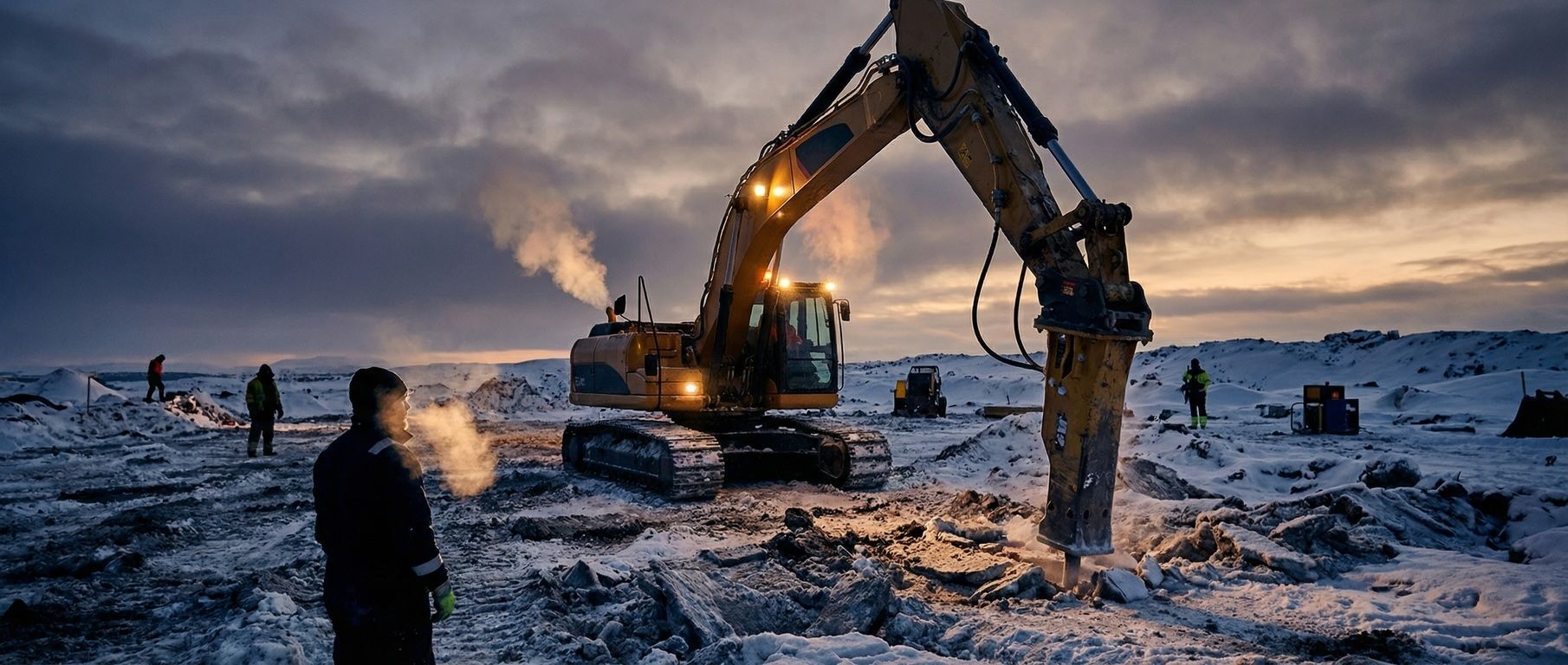
When winter sets in, bringing freezing temperatures and snow-covered landscapes, many industries slow down or halt entirely. But what about excavation businesses? Can they continue to operate in the cold months, or is winter a natural pause for digging into the earth? The answer may surprise you: many excavation companies do continue to operate through the winter, though there are important factors and challenges to consider.
Excavation in Winter: A Challenging Terrain
Winter excavation is not without its hurdles. Frozen ground, unpredictable weather conditions, and safety concerns all present significant challenges to excavation crews. Here are some of the main obstacles that excavation companies face when working in colder months:
- Frozen Ground:
As temperatures drop, the ground hardens, making it more difficult to dig. The frost line, which can extend several feet deep depending on the region, can slow excavation work. Excavation crews may need to use specialized equipment, such as frost teeth attachments for excavators, to break through the frozen soil. The time it takes to complete projects may be longer, but with the right tools and experience, progress can still be made. -
Snow and Ice:
Snow-covered construction sites can pose hazards by concealing uneven ground or machinery. Ice can form on equipment and surfaces, creating slick conditions that increase the risk of accidents. To counter this, crews need to implement extra safety precautions, like clearing snow regularly and applying salt or sand to icy areas. -
Shorter Daylight Hours:
The shorter days of winter limit the number of daylight hours that excavation teams can safely work. This reduced window for natural light often means more reliance on artificial lighting and sometimes longer working days to stay on schedule. -
Equipment Maintenance:
Cold temperatures can affect the performance of heavy machinery. Excavators, bulldozers, and other equipment may require more frequent maintenance to ensure that hydraulic fluids, fuel lines, and other components are not impacted by the cold. Companies must be diligent in keeping their machines in optimal condition to avoid costly breakdowns.
Adapting to the Cold: How Excavation Businesses Keep Going
Despite the challenges, excavation businesses are equipped with strategies and tools to keep operations running through the winter months. Here's how they adapt:
- Specialized Equipment:
Excavation companies use equipment designed to handle cold conditions. Frost rippers, for example, are attachments that can break up frozen ground, allowing excavators to continue digging. Additionally, heaters may be used to warm the ground before excavation in some cases, preventing extensive delays. -
Cold-Weather Safety Measures:
Safety is a top priority during winter excavation. Workers are trained to handle icy conditions, wear appropriate cold-weather gear, and use anti-slip footwear. Snowplows and shovels are often on-site to keep work areas clear, and regular safety checks are carried out to address any hazards created by the weather. -
Flexible Scheduling:
Winter excavation projects often come with more flexible schedules to accommodate weather-related delays. While storms and cold snaps can cause temporary pauses, companies plan for these disruptions, allowing them to adjust timelines without derailing entire projects. Crews also tend to work more intensively during milder winter days to make up for lost time. -
Pre-Winter Preparation:
Many excavation companies prepare for winter by completing foundational work before the worst of the weather hits. This allows them to minimize the amount of heavy digging required during the colder months. For projects that extend into winter, excavation teams often take a phased approach, doing as much site preparation as possible while the ground is still soft.
Is Winter Excavation Worth It?
In many cases, the answer is yes. For some construction projects, waiting for spring is not an option. Delaying an excavation job could push back entire timelines, especially for larger developments that require long lead times. Working through the winter allows these projects to stay on schedule and ensures that construction can continue once warmer weather returns.
Additionally, some excavation projects are specifically timed for winter. For example, roadwork and utility installation may be planned for the winter months in regions where there’s less traffic. Also, colder months can be ideal for projects that involve wetlands or bodies of water, as frozen ground makes it easier to work in these areas.
Regional Differences:
Whether or not an excavation business operates through the winter largely depends on the region. In warmer climates, such as parts of the southern U.S., winter temperatures are mild enough that excavation can proceed with little disruption. However, in areas where temperatures plunge below freezing, like in the northern U.S. or Canada, companies face harsher conditions that may slow but not completely halt operations.
Conclusion: Excavation Doesn’t Stop for Winter
Excavation businesses don’t hibernate in the winter—they adapt. With the right tools, safety precautions, and strategies, many companies continue to dig, move earth, and prepare construction sites through the cold months. While there are certainly challenges, winter excavation is not only possible but sometimes necessary to keep projects on track.
You might also like