How to Deal with Soil Erosion: Tips from Your Trusted Excavation Experts
At Precision Dig Excavation, we know that soil erosion can be a big problem on any construction or landscaping project. Erosion happens when wind or water wears away the soil, making it unstable and causing issues like landslides, poor drainage, or damage to nearby structures. The good news is, there are effective ways to prevent and manage soil erosion, and we’re here to share some of the best practices we use to keep things under control.
1. Install Erosion Control Blankets or Matting
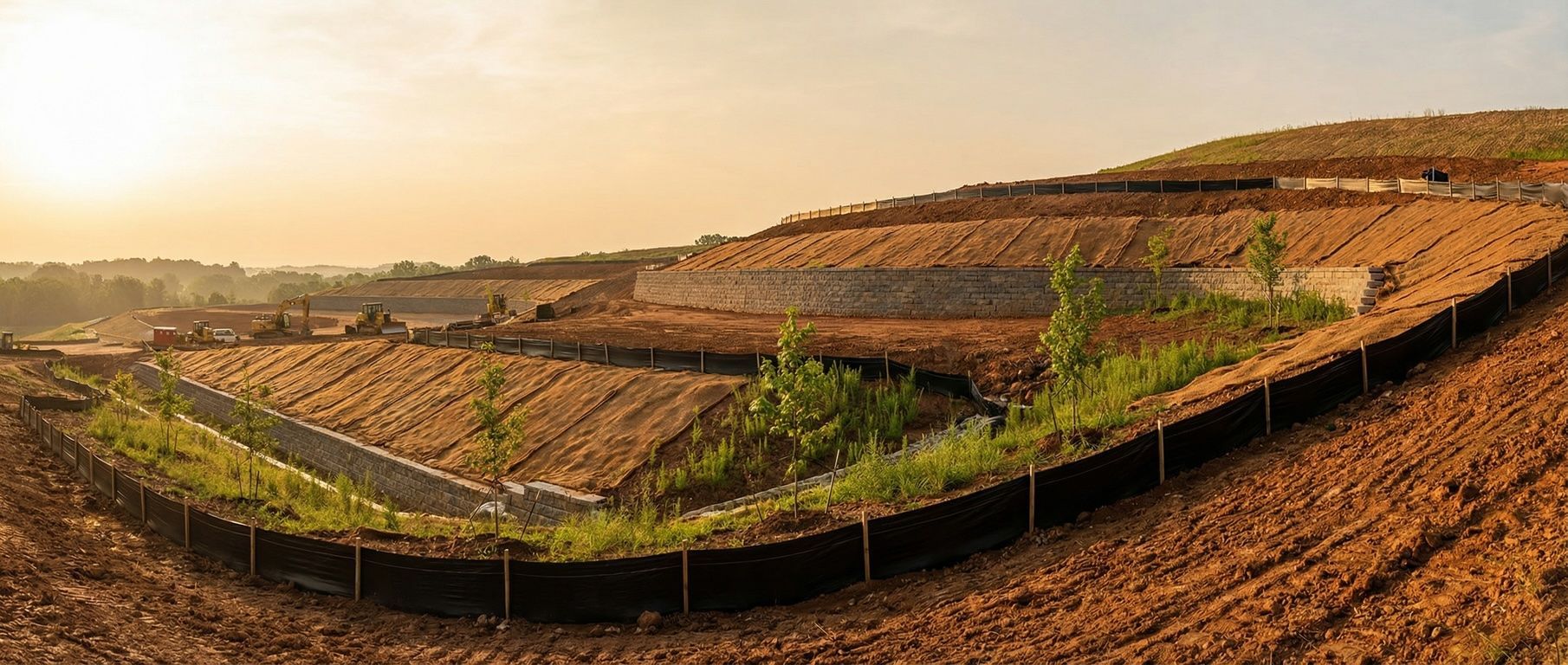
One of the most reliable ways to protect the soil is by using erosion control blankets or matting. These are made from materials like straw, coconut fiber, or synthetic fabrics and are laid over bare soil to prevent it from washing away.
- How it works: The blanket holds the soil in place, slowing down water runoff and giving plants a chance to take root.
- Why we recommend it: This method is great for slopes, hillsides, or areas where the soil is exposed for long periods, like after excavation. It’s simple to install and very effective.
2. Use Silt Fences
Silt fences are another easy and affordable solution for controlling soil erosion. These fences are made from fabric stretched between stakes, creating a barrier that traps sediment while allowing water to pass through slowly.
- How it works: The fence catches soil that would otherwise wash away, helping to keep the site clean and preventing erosion from spreading.
- Why we recommend it: Silt fences are great for protecting the edges of excavation sites or along waterways. They’re especially helpful during construction, where you need to control runoff but still allow drainage.
3. Plant Vegetation or Ground Cover
One of the most natural and effective ways to prevent soil erosion is by planting vegetation. Grass, shrubs, and trees all help to hold the soil together with their roots, making it harder for wind or water to carry it away.
- How it works: Plants act like a protective shield, covering the soil and absorbing water, which reduces runoff and erosion.
- Why we recommend it: If possible, we try to plant grass or other ground cover as soon as the excavation work is done. This gives the site long-term stability and helps prevent future erosion problems.
4. Build Retaining Walls
For steep slopes or areas prone to heavy runoff, installing retaining walls is a smart solution. These walls are made from materials like concrete, stone, or wood, and they provide physical support to prevent soil from moving downhill.
- How it works: Retaining walls act as a barrier, holding back the soil and stopping it from eroding away, especially on slopes.
- Why we recommend it: Retaining walls are not only practical but can also add an attractive feature to your landscape. They’re especially useful in areas where planting vegetation alone won’t be enough to control erosion.
5. Use Mulch or Gravel
Covering bare soil with mulch or gravel can provide a protective layer that prevents erosion. Mulch (made from materials like wood chips, straw, or leaves) helps keep moisture in the soil and reduces the impact of rain.
- How it works: Mulch absorbs rainwater and slows down its flow, while gravel creates a barrier that prevents soil from being washed away.
- Why we recommend it: These materials are affordable and easy to apply, making them a good choice for smaller projects or as a temporary solution while waiting for plants to grow.
6. Create Terraces
On sloped land, terracing is a technique that involves cutting the hillside into a series of steps or flat areas. Each terrace holds water and slows down runoff, which reduces erosion and allows for better drainage.
- How it works: Terraces break up the slope into smaller sections, giving water time to soak into the ground instead of flowing quickly and eroding the soil.
- Why we recommend it: Terracing is an excellent option for hilly areas where erosion is a significant concern. It not only protects the soil but can also create more usable space for planting or construction.
7. Install Proper Drainage Systems
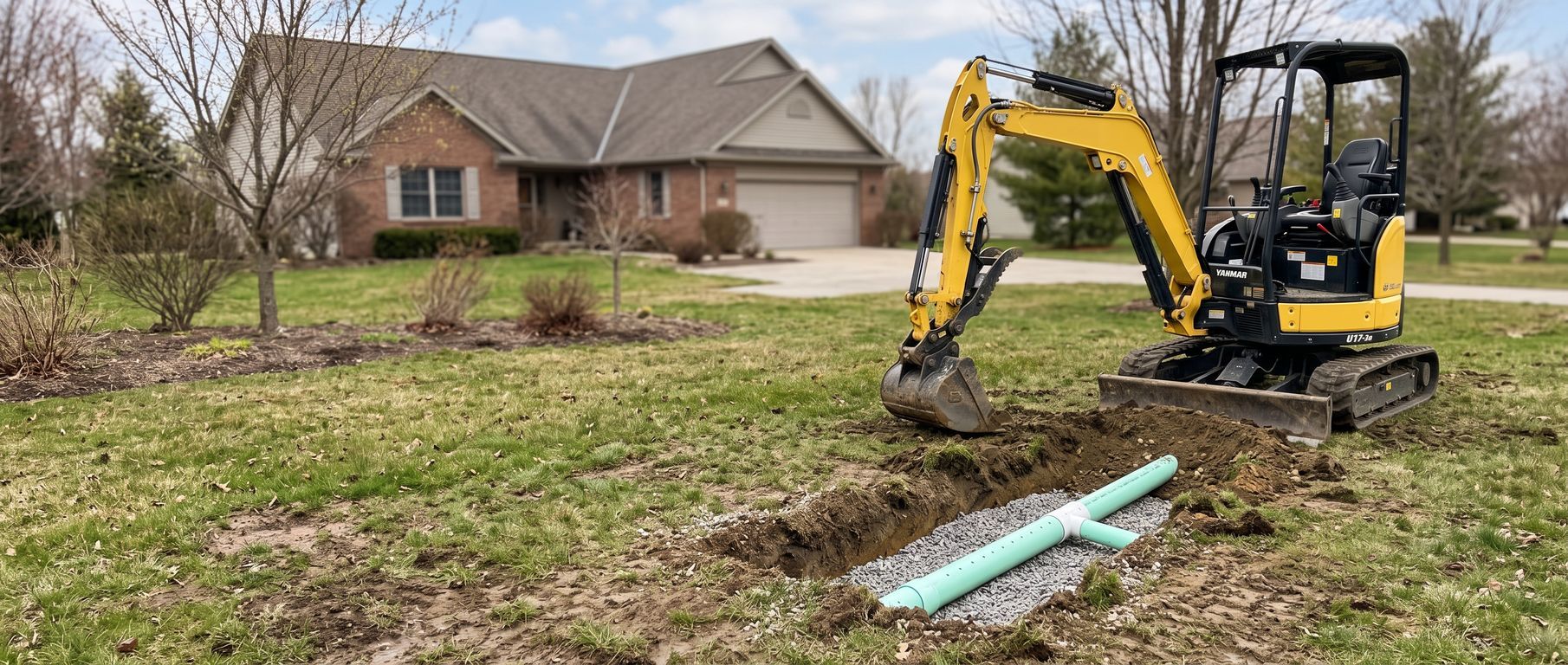
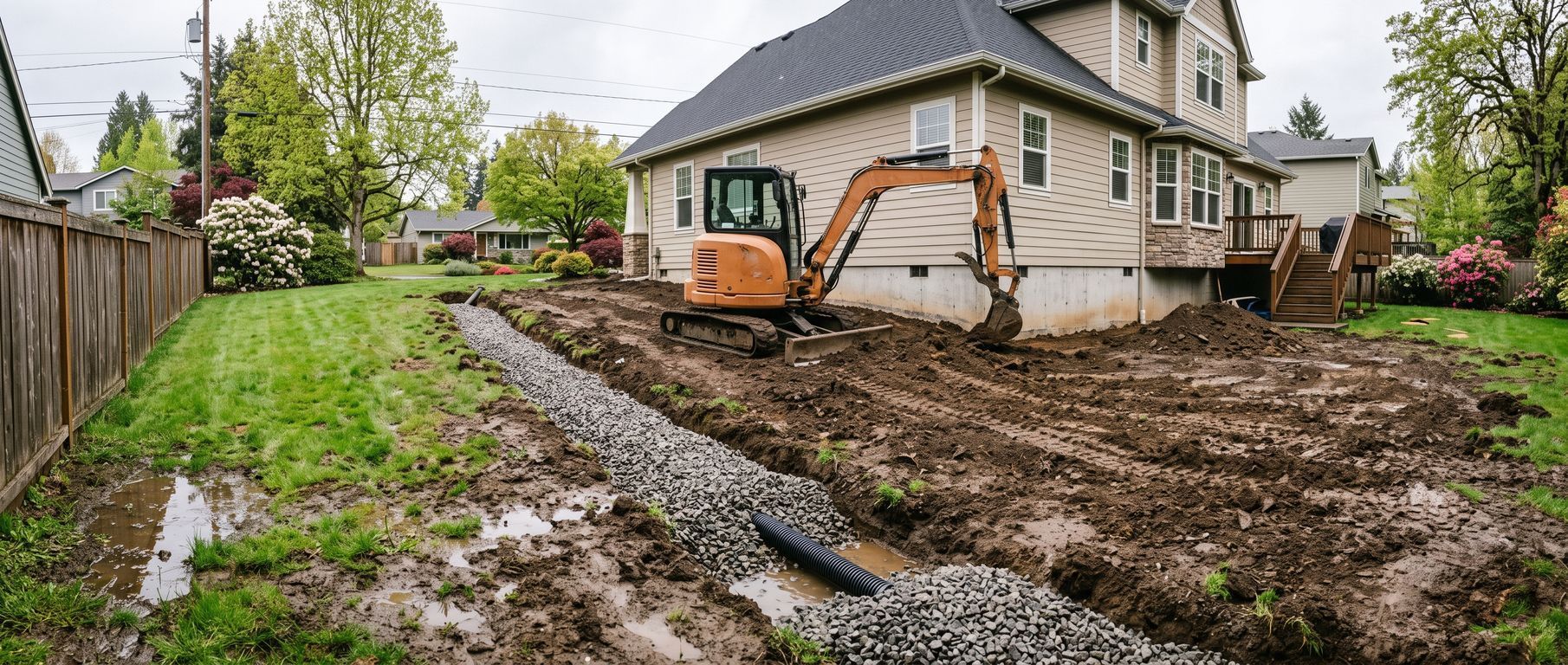
Good drainage is essential for managing water flow and preventing erosion. Installing features like drainage ditches, swales, or French drains helps redirect water away from vulnerable areas and prevents it from pooling or running off too quickly.
- How it works: Drainage systems control where water flows, ensuring that it doesn’t wash away soil or cause flooding.
- Why we recommend it: By managing water effectively, you can significantly reduce the risk of erosion. Proper drainage systems are particularly important around foundations, retaining walls, or on sloped land.
Final Thoughts: Prevention Is Key
At Precision Dig Excavation, we believe that preventing soil erosion is always easier and more cost-effective than fixing it after it happens. By taking the right steps—like installing erosion control blankets, planting vegetation, and creating proper drainage systems—you can keep your site stable and safe. Every project and location is different, so it’s important to choose the methods that work best for your specific needs.
If you’re facing soil erosion or need help preventing it on your excavation project, don’t hesitate to reach out. We’re here to offer solutions that protect your land and keep your project on track!
You might also like