How Do I Start the Excavation Process?
Starting an excavation project can seem daunting, but with the right planning and steps, it’s a smooth process. At Precision Dig Excavation, we’re here to guide you from start to finish, ensuring your site is prepared safely and efficiently. Whether you’re planning to build a home, install utilities, or reshape your landscape, here’s what you need to know to begin the excavation process.
The first step is to assess the site. Understanding the scope and nature of the project is key to determining what type of excavation work is needed. This includes evaluating the size of the area, the soil condition, and any obstacles that could complicate the job, such as large trees, rocks, or existing structures. If the land is on a slope, if there’s water nearby, or if the soil is unstable, special considerations may need to be made. As an excavation company, we can help you with this initial assessment by visiting the site and providing professional insights on what might be required for a safe and successful excavation.
Before any physical work can begin, you’ll need to make sure that you have the proper permits. Excavation is often regulated at the local level, and permits are typically required for most types of digging, particularly if your project is near utilities, waterways, or public roads. These permits ensure that your project follows local building codes and safety regulations. While this process may seem complex, we assist clients by helping them understand and navigate the permitting requirements in their area. Getting the permits in order is an essential step to avoid delays or legal issues down the road.
Another critical aspect of starting the excavation process is contacting your local utility locator service. In the U.S., this is done by dialing 811. Utility companies will then send out technicians to mark the location of any underground lines, such as gas, water, electricity, or communications cables. These markers will help us avoid damaging utilities during excavation, which could not only be dangerous but also costly to repair. Skipping this step can lead to severe consequences, so it’s something we prioritize in every project.
Once the site has been assessed and cleared for work, the next step is planning the actual excavation. This involves creating a detailed plan for the digging process, including where to move the soil, how deep the excavation needs to go, and what equipment will be used. Depending on your project, this could involve clearing the site, grading the land, or digging trenches for utilities. At this stage, it’s important to consider factors like drainage, erosion control, and any long-term effects the excavation might have on the surrounding land. Our team works closely with clients to develop an efficient plan that addresses all these factors.
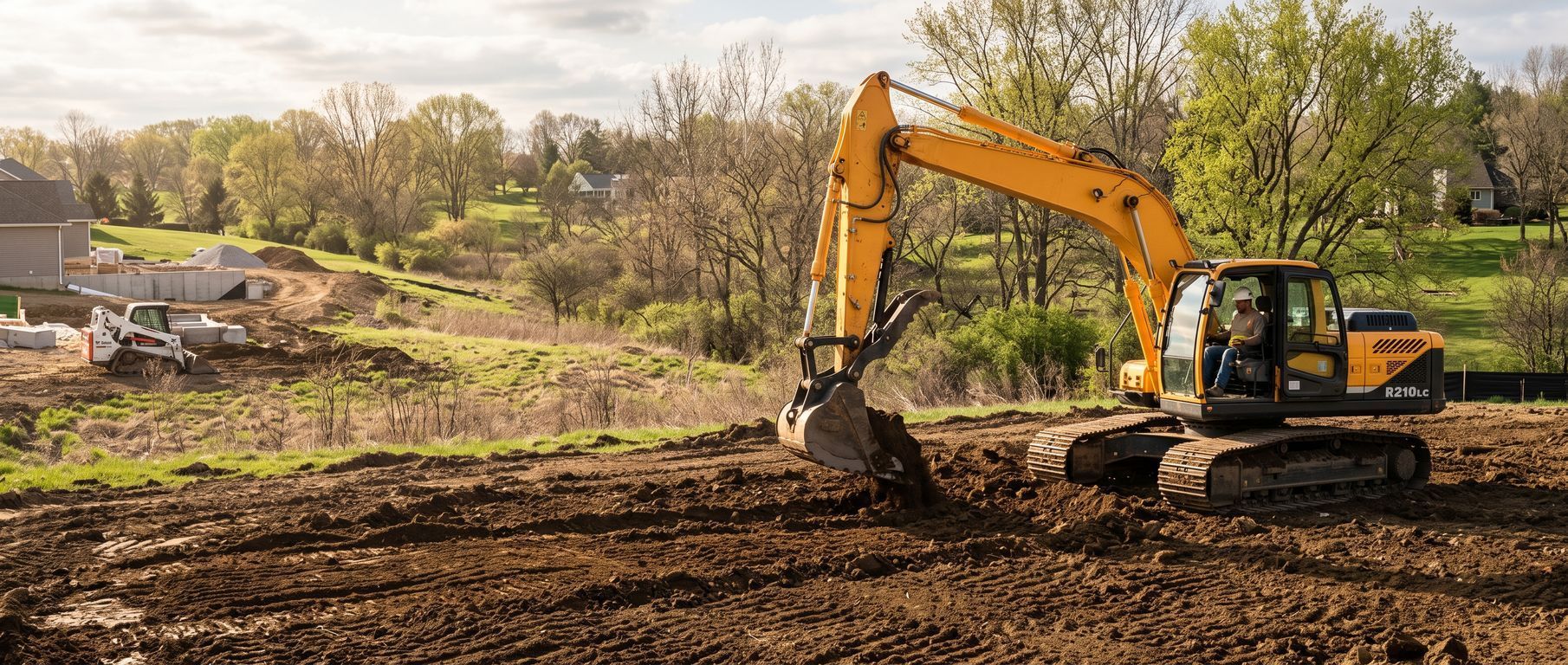
With the plan in place, we’ll schedule the excavation work. The timing of excavation can depend on several factors, including weather conditions and the availability of equipment. For example, in certain climates, winter conditions can make excavation more challenging, so it’s important to schedule the work during a time when conditions are favorable. Once the schedule is set, we’ll bring in the necessary equipment. Whether we’re using large excavators, backhoes, or smaller machinery for tighter spaces, we ensure that the right tools are on-site to handle the job efficiently and safely.
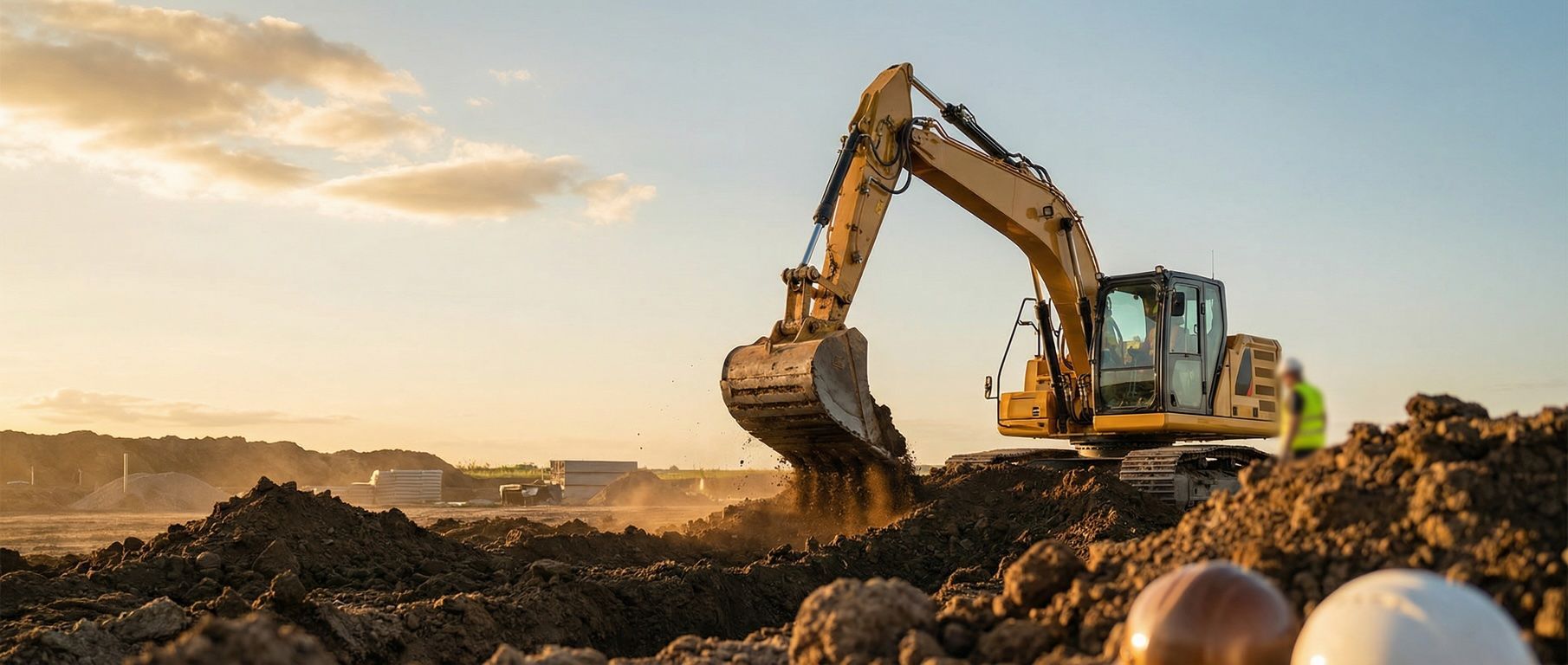
Finally, we begin the excavation process itself. Our experienced team will carefully carry out the work according to the plan, making adjustments as needed to address any unforeseen challenges. Safety is always our top priority, so we take extra care to follow all safety protocols, particularly when working near utilities or other sensitive areas. Throughout the process, we maintain clear communication with you, keeping you updated on progress and ensuring that the work is completed on time.
Once the excavation is complete, we’ll clean up the site and make sure it’s ready for the next phase of your project. Whether that’s laying a foundation, installing utilities, or moving on to landscaping, we leave the site in great condition for the work that follows.
Starting the excavation process requires careful planning, but with the right team and the right steps, it’s manageable and straightforward. At Precision Dig Excavation, we take pride in guiding our clients through each stage, from initial assessment to project completion. If you’re ready to get started, contact us today—we’re here to help make sure your project begins on solid ground!
You might also like